
Category: A Dog’s Breakfast
A mixture of different stories and information mainly related to canines

South River Author Is Using Children’s Stories To Promote Wolf Conservation | Featured | 705 Black Fly

Thank you to polarbearscience for this interesting article on the Hudson Bay polar bears this fall
Sharing is caring

Thanks to DeWetsWild for some great photos and videos.
Sharing is caring

Thanks to “ConservationBytes.com” for this interesting article about Australian Dingoes.
Sharing is caring

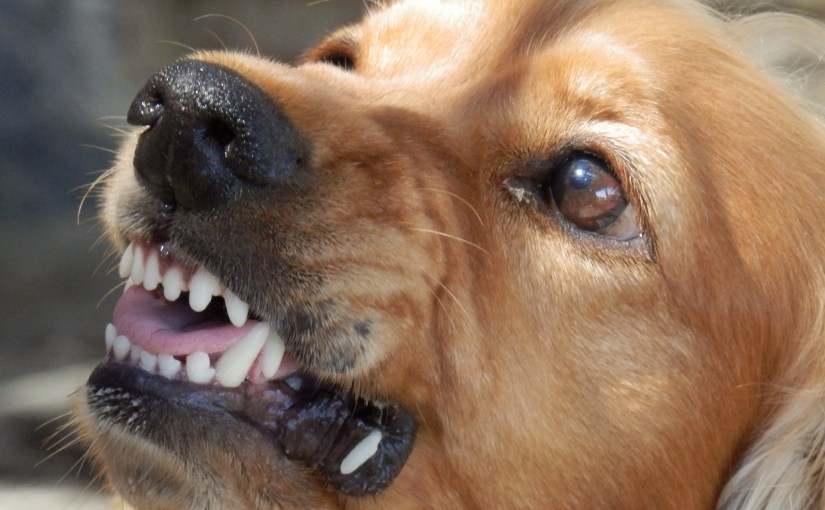
Aggression in Canines
Aggression in dogs can be a distressing problem for both the dogs and their owners. It is one of the most common reasons for dog owners to seek professional help.
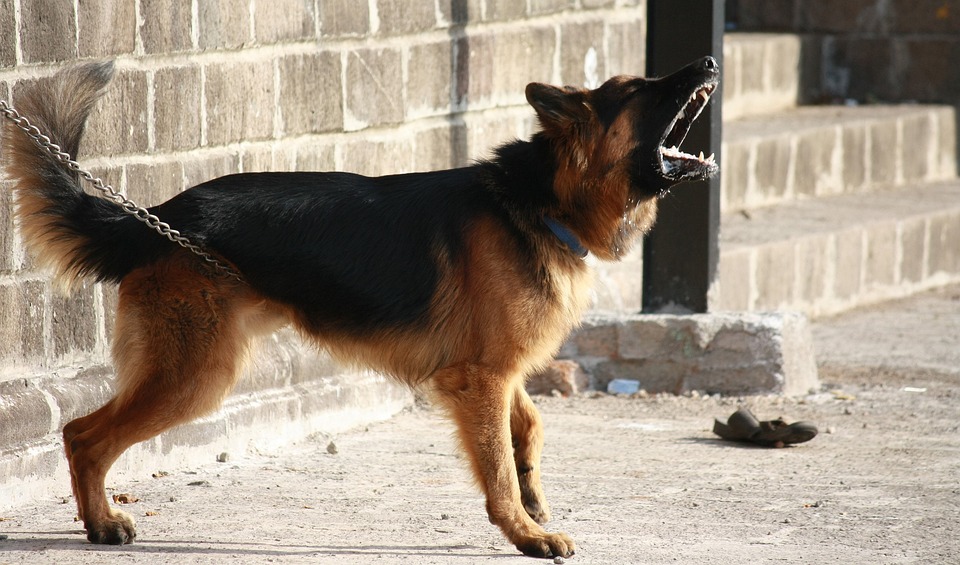
What is aggression?
The Merriam-webster Dictionary defines aggression as:
- a forceful action or procedure (such as an unprovoked attack) especially when intended to dominate or master;
- the practice of making attacks or encroachments;
- injurious or destructive behaviour or outlook, especially when caused by frustration. It is important to understand that although most pet dogs are not a concern and will not bite people; under stress, many dogs have the potential to bite, and some can cause a great deal of damage.
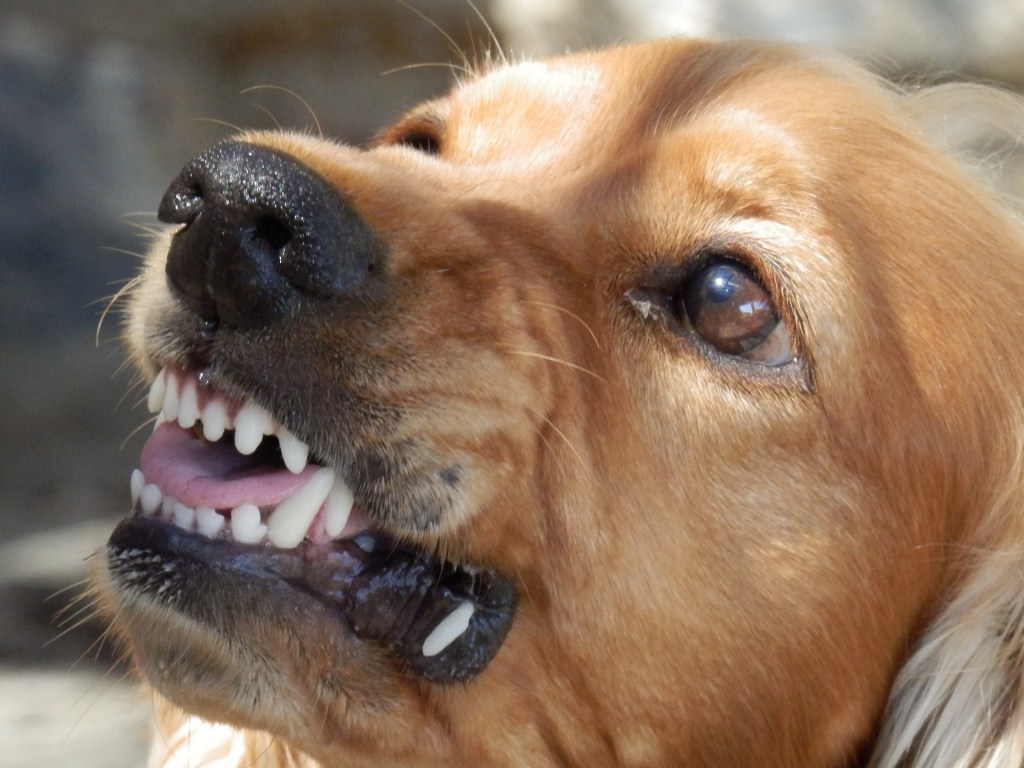
It is important to understand that although most pet dogs are not a concern and will not bite people; under stress, many dogs have the potential to bite, and some can cause a great deal of damage.
There is an estimated 5000 dog bites in Ontario, Canada every year and over 500,000 nation wide with most injuries occurring in children 6 to 9 years old. It is estimated that there are 2 fatalities each year in Canada resulting from dog attacks.
What are the different types of dog aggression?
There are several different types of dog aggression including dominance aggression, defensive aggression (fear motivated aggression), predatory aggression, territorial aggression and possessive (resource guarding) aggression. Aggression can be due to resource guarding of a territory, an item, or a person; from fear or frustration; from pain; or from a high prey drive or high reactivity levels. The aggression can be directed at other animals or at people.
Dominance aggression
Dominance aggression is one of the most commonly occurring types of aggression in dogs.
Dogs are social animals and hierarchy in their pack or family is very important to them. Their hierarchy or position in the pack is determined by the outcomes of ongoing social challenges among group members. When one dogs’ hierarchy is higher than another, they will often assert dominance over the individual determined to be lower in the pecking order.
This often appears as aggressive to non-canine species but it is also a form of communication and not always a negative thing. The problem arises when individuals do not agree on their position in the pack or when a dog asserts his/her dominance on a human pack member.

Some common signs of dominant behaviour include resource guarding of their owner from other dogs or people, mounting dogs or humans, refusal to listen to their owners commands, growling when told to do something they don’t want to do, or refusal to give up their physical position, such as refusing to get off a couch when told to do so by their owner.
Defensive aggression (fear motivated aggression)
Defensive aggression (fear motivated aggression) is also known as avoidance morivated aggression and means to defend oneself with hostile or violent behaviour and this type of aggression encompasses three reactions; fight, flee and freeze. These three reactions are automatic defensive responses to a perceived threat and are hardwired into the brain.
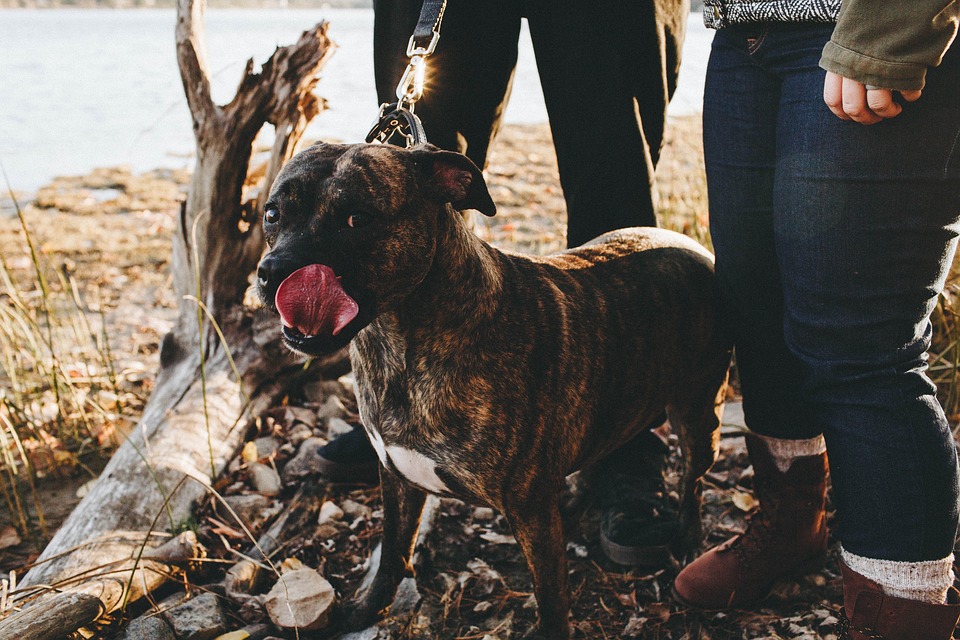
Defensive behaviour when a dog is confronted with a perceived threat may present as growling, snapping or biting if the dog is unable to avoid or escape the situation. Generally, defensive aggression is not behaviour that occurs when presented with a real threat but when the dog perceives something to be a threat that is not, such as a child riding by on a bicycle.
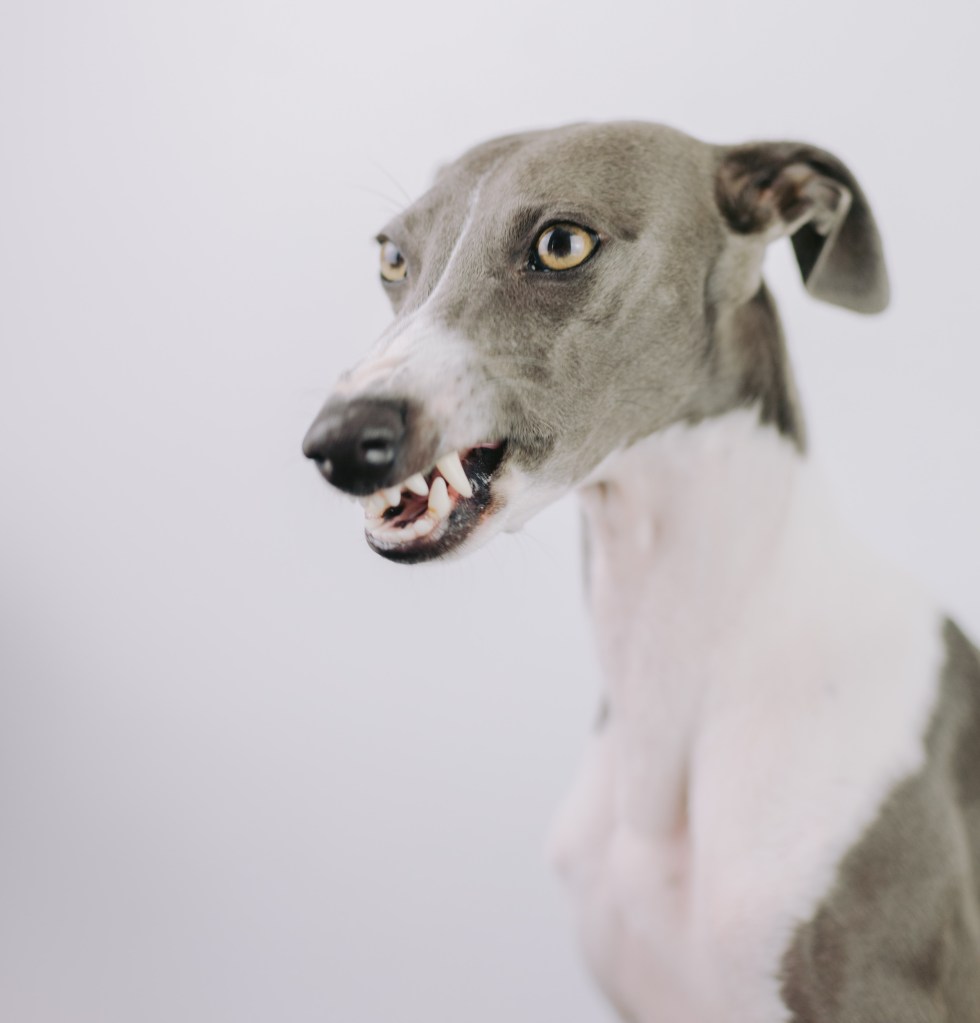
A defensive aggressive dog will usually go through several predictable escalating behaviours prior to biting or attacking when in a stressful situation; anxiety (can include yawning, whining, drooling), avoidance (avoiding eye contact, turning head), escape (ie. hide under table, run from room), and freezing (body stiff, hackles up, staring). It is important to understand and be able to recognize the signs.
By learning about canine body language and being able to recognize your own dogs fearful and offensive postures, you can help to avoid and de-escalate situations prior to any bigger reactions such as growling and biting.
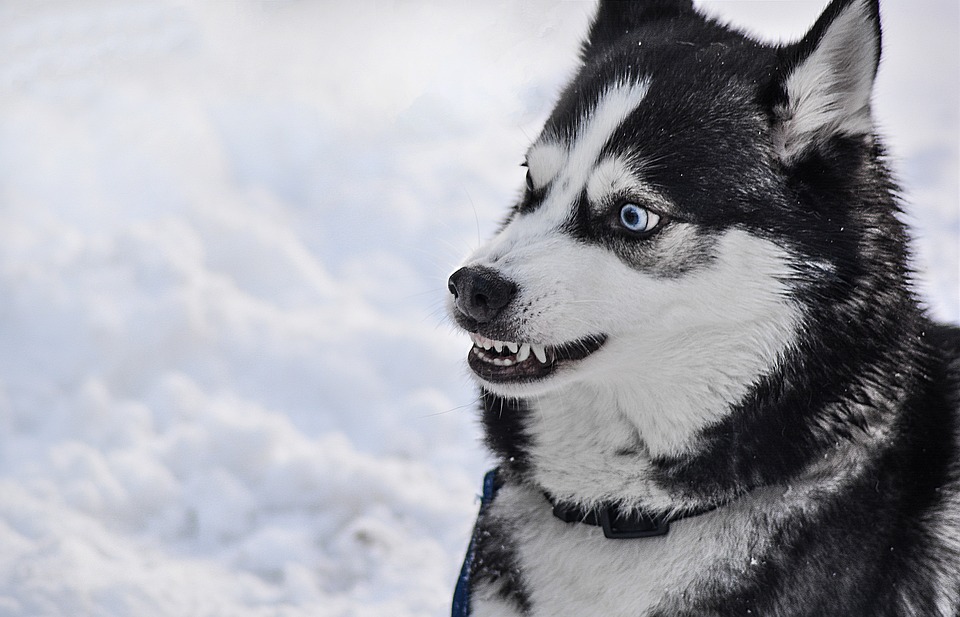
If you believe your dog suffers from fear motivated aggression, you are best to seek help from a canine behaviourist who can help guide your through the steps to best help you and your dog.
Predatory aggression
Predatory aggression is an instinct-based behaviour to pursue prey with intent to kill and possibly also eat the prey. Predatory aggression is usually seen as part of a sequence starting with an auditory or visual trigger. This is followed closely by a chase, capture and kill sequence.
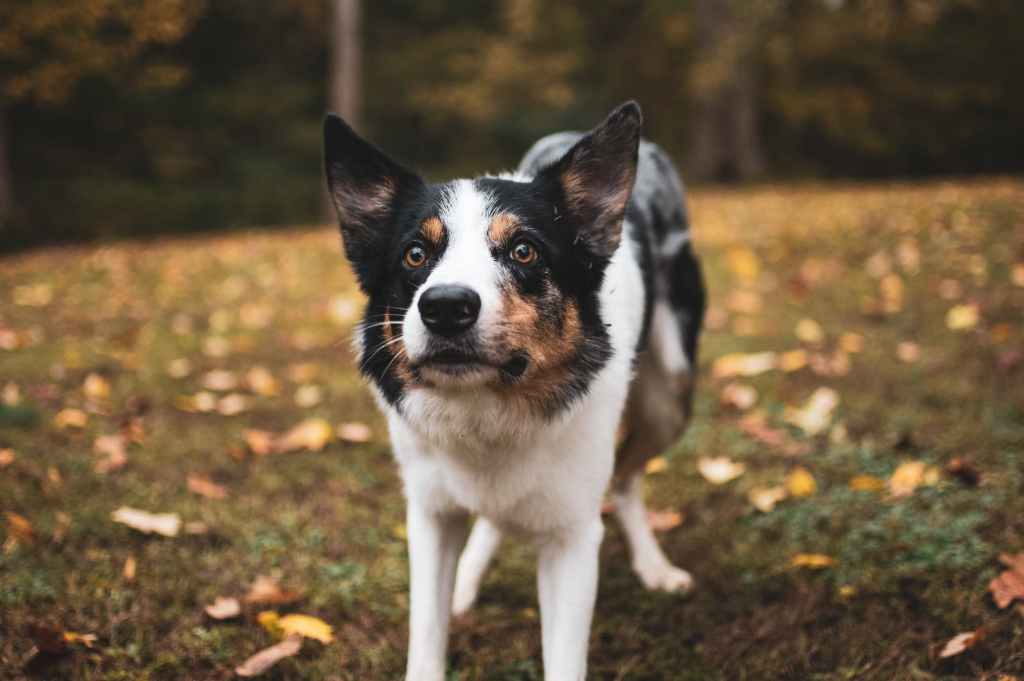
All dogs have a prey drive however, some dogs have a prey drive that is much higher than other dogs. It is owners of these high drive dogs that tend to run into predatory aggression issues. Although labeled as aggressive behaviour, dogs that chase, hunt and kill other animals is actually an instinctual reaction and this does not necessarily mean that the dog is aggressive.
When directed properly, high prey drive dogs are extremely useful and highly obedient with their owners/handlers and are not at all aggressive with family members or others that they are not directed to “hunt”.
Dogs that generally have high prey drives are in herders and hounds groups. For example, terriers are well known for their high prey drives and are used as ratter dogs (vermin hunters). These dogs are often used to hunt and kill as many vermin as possible and are rewarded for their kills. Unfortunately, other small dogs and cats can become victims too.
Territorial aggression
Territorial aggression is defined as aggression directed toward perceived threats entering or approaching the dogs territory. Territorial dogs are often insecure and try to control who has access to their territory or home. Any unwanted visitor can be seen as a threat to their safety.
Territorial aggression in these situations does not include working guard dogs that are trained specifically to guard a property or territory against unwelcome visitors or intruders as well trained guard dogs are not insecure and they are operating under the instructions of their handler.
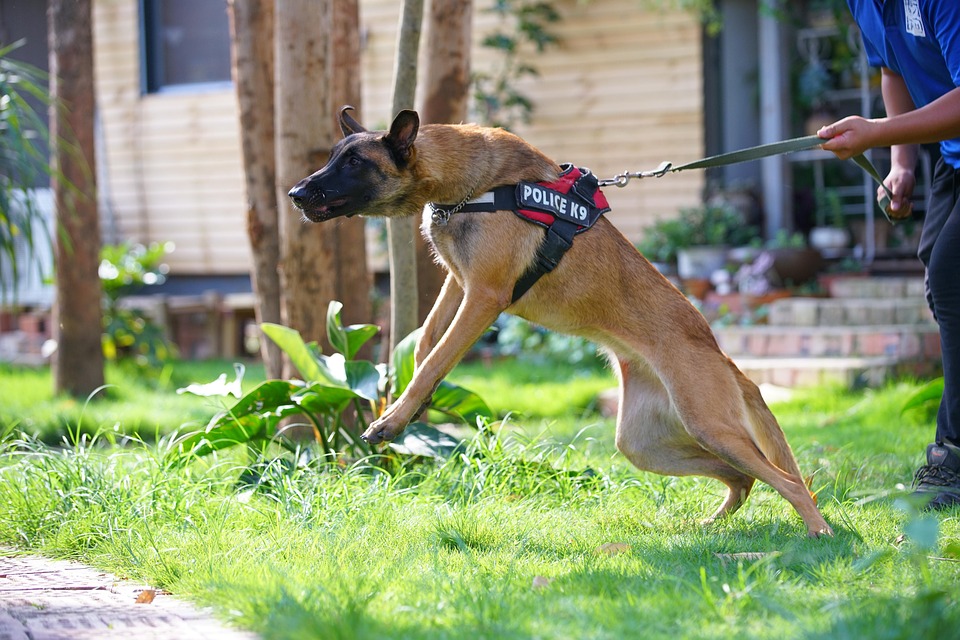

Dogs often exhibit some territorial behaviour with strangers when they have not been properly socialized and when they are rarely taken off their own property. Hence, it is strongly recommended that dogs are regularly taken off property for on leash walks in a variety of locations.
Possessive aggression or Resource guarding
Resource guarding is when a dog controls access to objects, food, people or locations that they deem as important. I believe that resource guarding can be one of the most dangerous behaviours as their bite is often quite severe instead of just a warning, and the aggression can be directed at any individual, including family members, unlike territorial aggression.
Behaviours present as warning signals such as staring, growling and snarling and can quickly escalate to overt aggressiveness such as full on bite or attack.
If you believe your dog is displaying signs of resource guarding, it is strongly recommended that you seek professional help from a behaviourist trained and experienced to work with this type of aggression.
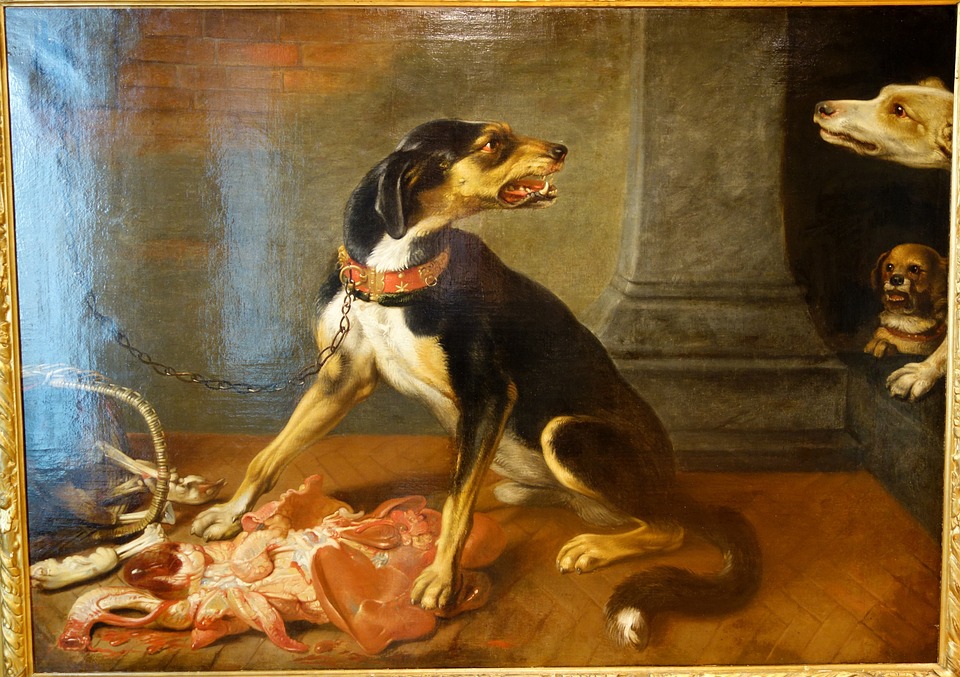
What do I do if I think my dog is aggressive?
Most times, aggression issues in dogs can be treated and managed successfully. It is important to recognize that there is an issue and to figure out the triggers of the aggression.
Proper socialization and training is imperative for all dogs. Participating in group obedience classes can be very helpful. Getting your dog on a consistent on leash walking routine is also very important. If the issues persist don’t give up. Many aggression issues require behavioural modification techniques beyond the scope of most pet owners, so it is prudent to seek professional help.
Consult a canine behaviourist, or ask your veterinarian to refer you to one. Also get your veterinarian to check for physical causes of aggression such as pain and discomfort.
Sharing is caring

Where Did Dogs Come From? – A Brief History on The Evolution of Dogs
The Origin of Prehistoric Dogs – The Domestication of the Pleistocene Gray Wolf
Note: Pleistocene refers to a Geological Epoch (from 3mya to 12,000 BP (BP = before present). The Pleisocene Epoch includes the last ice age when glaciers covered huge parts of the globe.
Pleistocene Gray Wolves (Canis lupus) were the first animal that early hominins or ancient humans (Homo sapiens) formed a mutualistic relationship with. This occurred during the Pleistocene Epoch. A mutualistic relationship is when two different species work together so that both organisms benefit from the relationship. These ancient humans most likely profited and learned from wolves and this relationship allowed ancient humans to outcompete other hominins such as the Neanderthal (Homo neanderthalensis), and even enable them to travel to areas that would otherwise have been inhospitable.
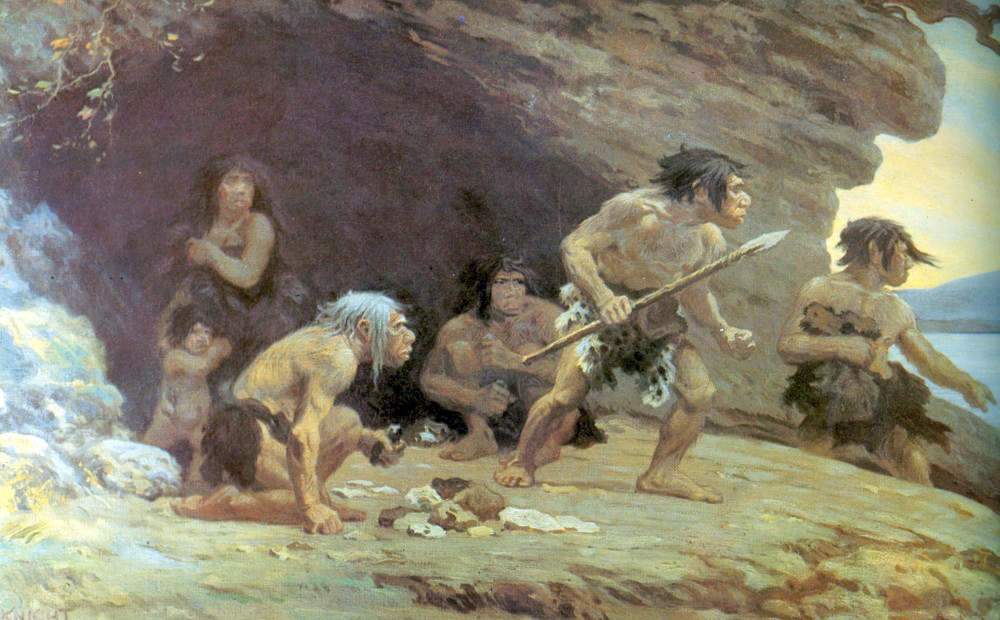
From times stemming as far back as the Middle Pleistocene period, bones have been found from wolves associated with early hominids. A site in North China dated at 300,000 years BP (before present), a cave in the south of France dates at 150,000 years BP, and a site in Kent, England dated at 400,000 years BP are just some examples of archaeological finds to highlight the association between hominids and wolves.
Earliest Domestication – The Paleolithic Dog
Note: Paleolithic refers to the Cultural Debris such as stone and bone tools that were found during the Pleistocene Epoch. During the Paleolithic period (~ 2.5 mya to 12,000 BP) early hominins (ancient humans) lived in caves, huts, or tepees. They were hunter/gatherers.
Gray wolves were the first domesticated mammal. They have interacted with humans for thousands of years, with evidence pointed to some time predating human agriculture and occurring in the Old World over 30,000 years ago. There are conflicting views as to how, when, or why the relationship first formed but it is widely accepted that ancient gray wolves and humans not only lived near each other for thousands of years, but they hunted many of the same animals and learned from each other.
Both humans and wolves lived in groups (wolf packs/hunter-gatherer societies or villages) and both developed social skills such as communication and cooperation and it is believed that these similarities were the catalyst to the evolution of dogs. Although most wolves would have avoided humans, there were a few that got close enough to humans to be able to eat food scraps. These canines (village wolves) originated from Pleistocene gray wolves, probably from a population now extinct. Humans allowed the friendlier wolves to stay and live nearby, which was quite beneficial to the village wolves as there was a regular easy food source and they thrived. The trait of friendliness was passed to their offspring. Over time, the descendants of the original village wolves changed in both physical and behavioural ways. Selection of traits was not only an evolutionary mechanism but also resulting from bottlenecking or founder effects. The bottleneck effect occurs when there is a sharp reduction in the size of a population, in this case due to the village wolves no longer associating with the original wolves, and thus massively reducing the size of the gene pool available for breeding. The descendants of these particular wolves are sometimes referred to as Paleolithic (Canis c.f. familiaris) or prehistoric dogs. They were smaller than the wolves of their time and much less aggressive. Over time, the Paleolithic dogs’ tails began to curl, ears became floppy instead of erect, coat colour variations developed, teeth were smaller, and their snouts were shorter than the other wolves. Eventually, something that we would recognize as a dog emerged. This was a long-term process, not a singular event, and occurred over many thousands of years.
When Did the Domestic Dog First Appear?
Archaeological evidence pointing to domesticated dog (Canis familiaris) is dated around the end of the last Ice Age. At this time, humans were hunters and gathers and agriculture did not yet exist. The oldest domestic dog remains found so far were located at a site in Germany and are dated as being from the late Paleolithic period at 14,000 BP.
Why Did Humans Domesticate Wolves?
Hunters probably killed mature wolves for their fur, for self defence or possibly because both humans and wolves often hunted the same animals for food, and they were competition. Pups left behind were likely killed for food too but occasionally may have been kept instead. Those pups would become habituated to the group and be tamed. Wolf pups that grew more aggressive as they matured would have been killed and those that were more submissive and easier to tame would have been kept as hunting companions, for comfort or warmth, and for protection from outside threats.
The Domestic Dog
As time went on, these new animals, dogs, became useful in many other ways. Some were used to pull sleds for travel, while others were used to guard livestock after sheep were domesticated at the start of the agricultural period. The process of selection breeding continued until multiple varieties of stock dogs had emerged. These stock dogs or Landrace dogs are the foundation of most other working breeds. One example of a Landrace dog is the Scotch Collie. Other breeds that emerged from the Scotch Collie are the Border Collie and the Rough Collie.
Learn more about Border Collies and Landrace Dogs here:
Some wolves were chosen for specific physical and behavioural traits to breed with other similar wolves because they were more useful and less dangerous. The amazing evolutionary processes that subsequently occurred could not have been predicted. It is not at all probable that ancient humans were aware they were helping to create a brand-new species however they played a significant role as the main catalyst in the domestication process. The domestication of wolves would never have occurred without human intervention, even if other events such as bottlenecking, and natural selection also played a significant part in the creation of dogs.
Sharing is caring

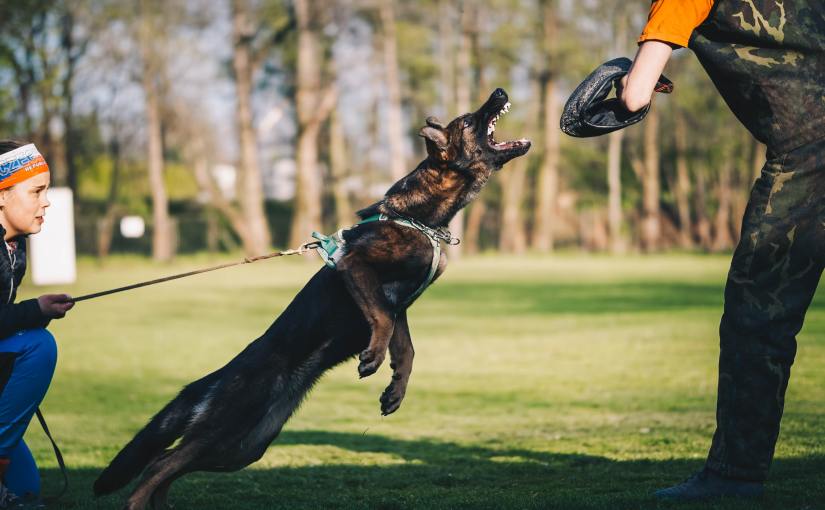
An Overview of the Sport of Schutzhund
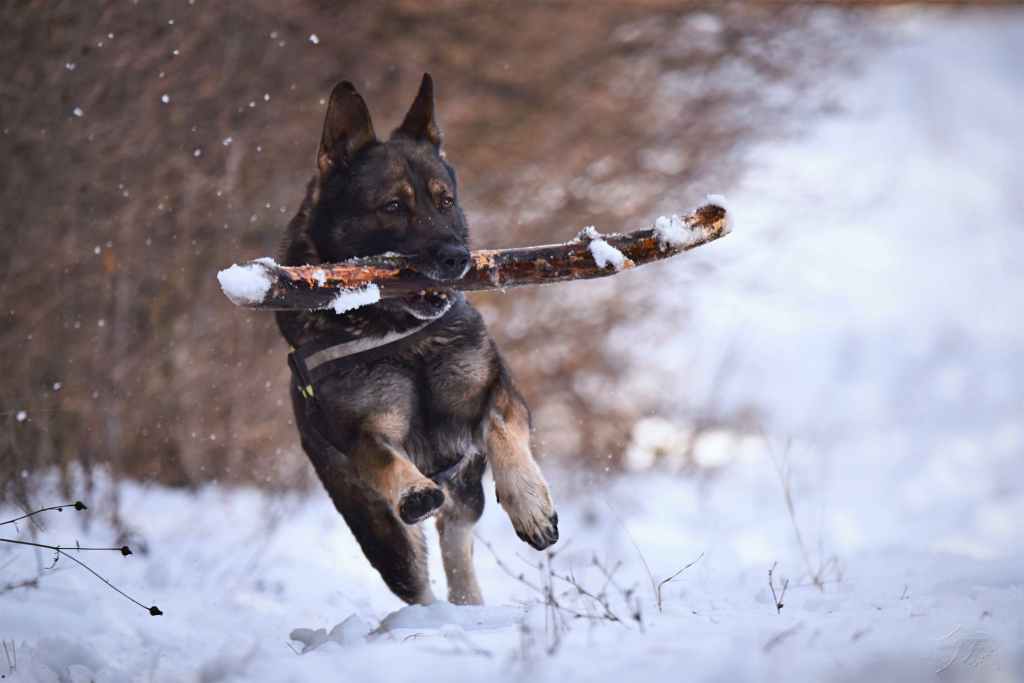
Table of Contents
- What is Schutzhund (IPO/IGP)?
- Can any dog do Schutzhund?
- What breeds can compete in Schutzhund? What breeds do best?
- Can a Schutzhund dog be a good family dog?
- What equipment is needed to compete in Schutzhund?
What is Schutzhund (IPO/IGP)?
Schutzhund is a dog sport that started in the early 1900’s in Germany. The word “Schutzhund” is German and translates to “protection dog”. The canine protection sport of Shutzhund was changed in name to IPO (Internationale Prufungs-Ordnung) in 2012 due to political reasons. The name changed once again in 2019 and is currently referred to as IGP (Internationale Gebrauchshund Pruefung).

The sport was originally developed to test German Shepherd dogs to ensure the breed retained the genetic traits for tracking, obedience, and protection skills. Schutzhund is designed to evaluate if a dog has the appropriate traits and characteristics of a good working dog. This test is not related to breed standards set out by breed kennel clubs such as the American Kennel Club (AKC), Canadian Kennel Club (CKC), or the United Kennel Club (UKC). Today, the sport of Schutzhund has grown significantly in popularity, as well as continuing to function as a partial breed test for German Shepherd Dogs.
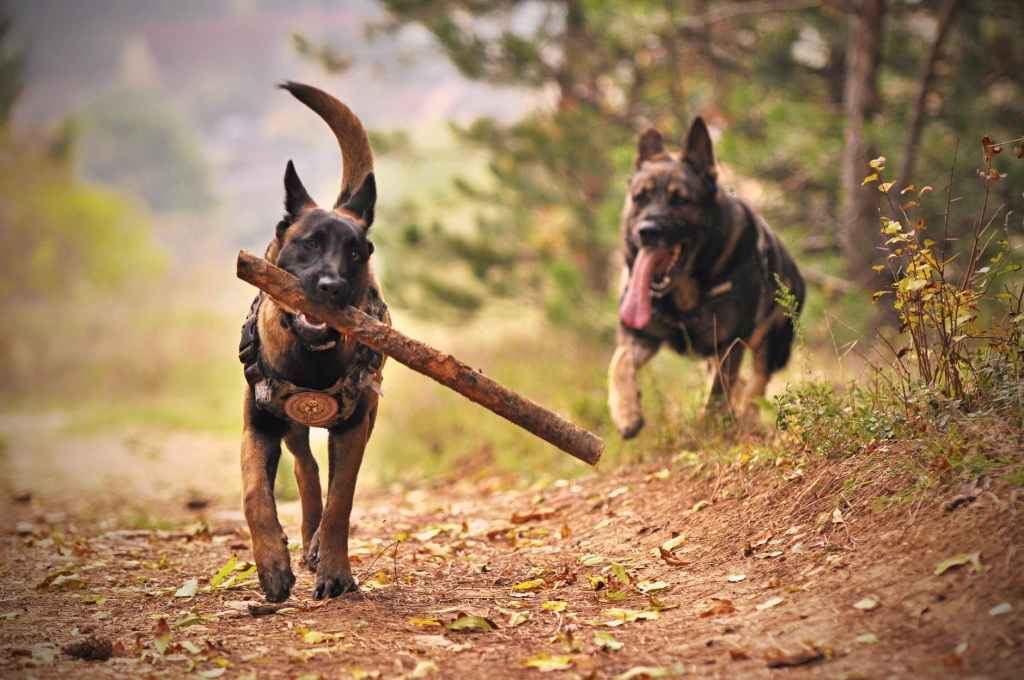
Schutzhund includes 3 phases: tracking, obedience, and protection.
Tracking is where a dog uses his nose to show his olfactory capability to follow a path (track) previously taken by a person. In tracking, a track layer (person) lays a track by dropping several small articles such as a glove or wallet while walking across a field. After a specified period of time for the track to age (~20 minutes to 1 hour), the handler directs the dog to follow the track while on a 33-foot leash. The dog must indicate locating an article. An example of indication is lying down at the article. The dog is scored on ability and intent.
Obedience skills include retrieval of objects, heeling, reaction to loud noises such as gun fire, recall, send out, and many other exercises that demonstrate the capabilities of both handler and dog and show cooperation between the two. This test is conducted in an open field.
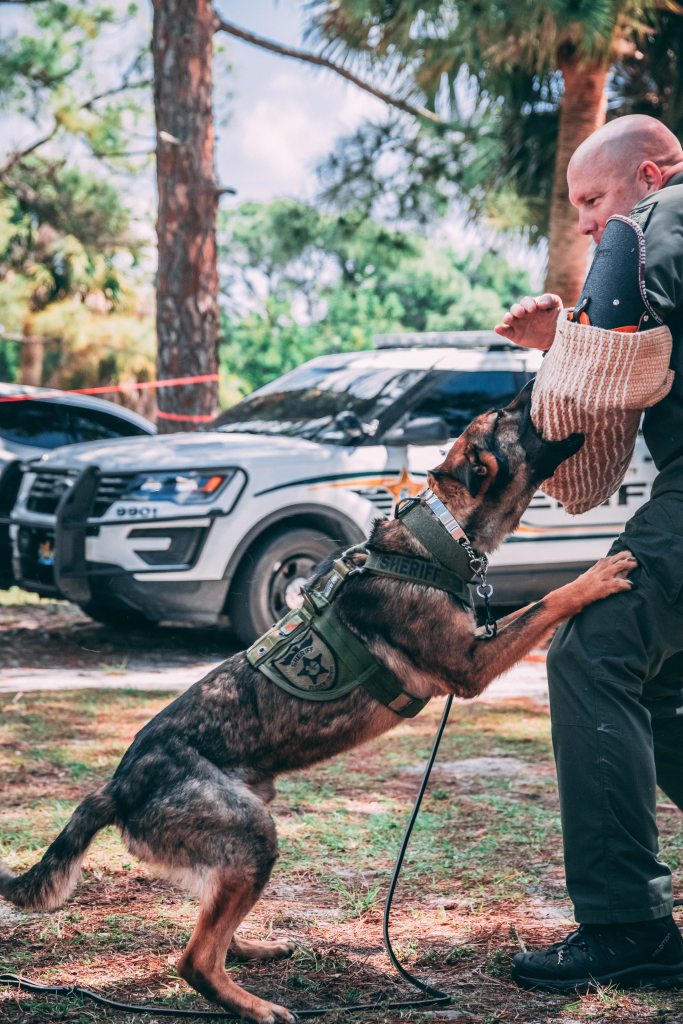
Protection involves a number of simulated attacks. Skills include searching out and holding in place an adversary, a remote attack of an aggressor and defence of the handler. This phase tests the dog’s ability to protect itself and handler in a courageous manner. The test includes locating a hidden person (aggressor), holding them in place, and stopping attacks and escape attempts by biting the person (protected by a special bite suite/bite sleeve) by biting the aggressor (only on protective bite sleeve). The dog must stop any bite with a command by the handler and always remain in control.
Can any dog do Schutzhund?
The simple answer is yes, however regardless of breed, if you are thinking about participating in Schutzhund with your dog, there are certain characteristics and traits your dog needs to possess. Schutzhund is primarily for dogs of the protective heritage. Your dog should be of stable character (anxiety issues are not stable). Your dog needs to be highly trainable (really responds positively to training and is excited to learn) and have a strong desire to work with and for you (the handler), must have a strong drive and strong working ethic along with some natural aggression tendencies and a protective nature.
What breeds can compete in Schutzhund? What breeds do best?
Although any breed of dog can compete in Schutzhund, some clubs may be breed specific. If your dog possesses the traits and qualities needed to perform in the sport, don’t be afraid to try it. Who knows, maybe your dog will excel and maybe you will really enjoy it.
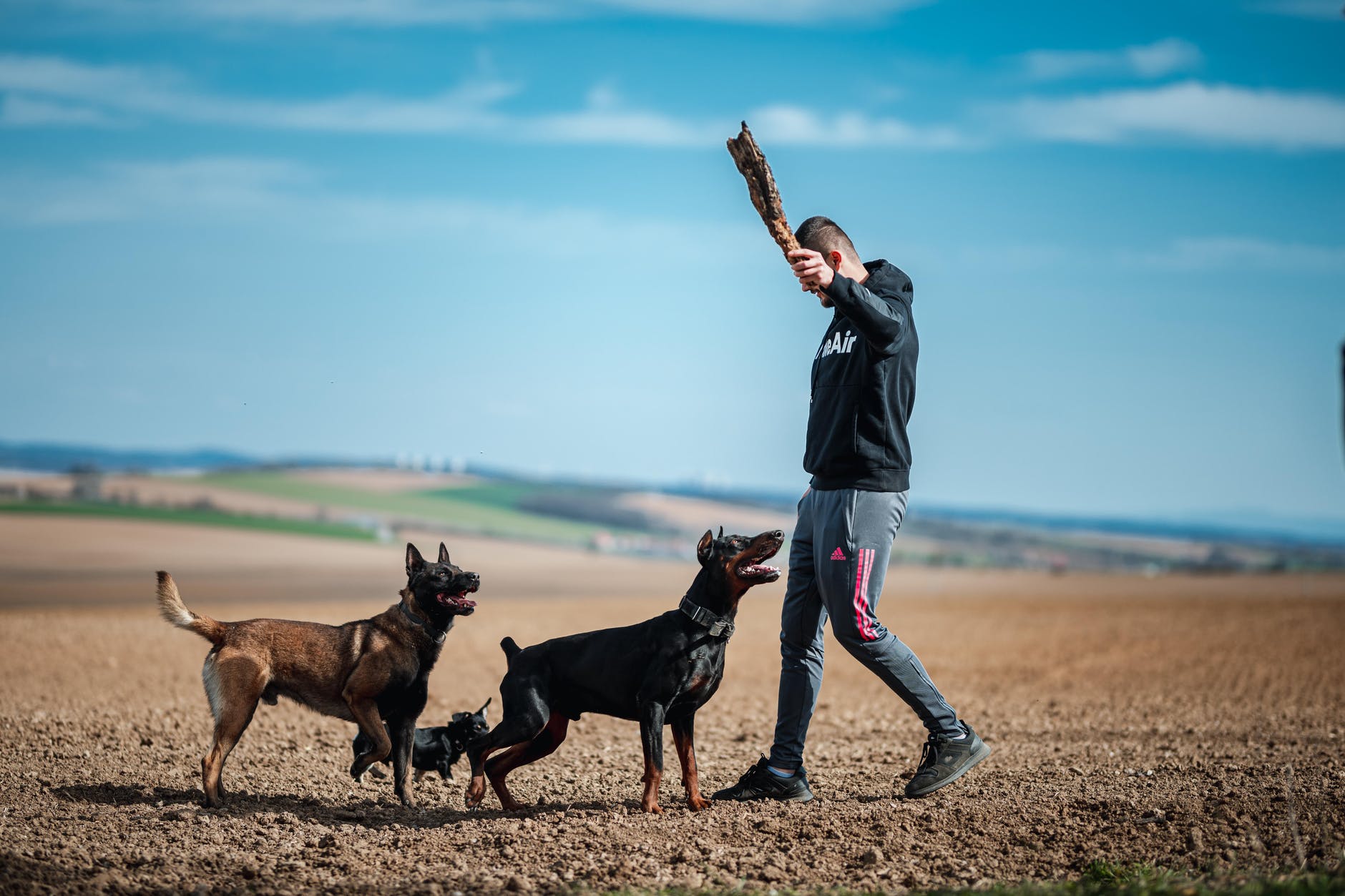
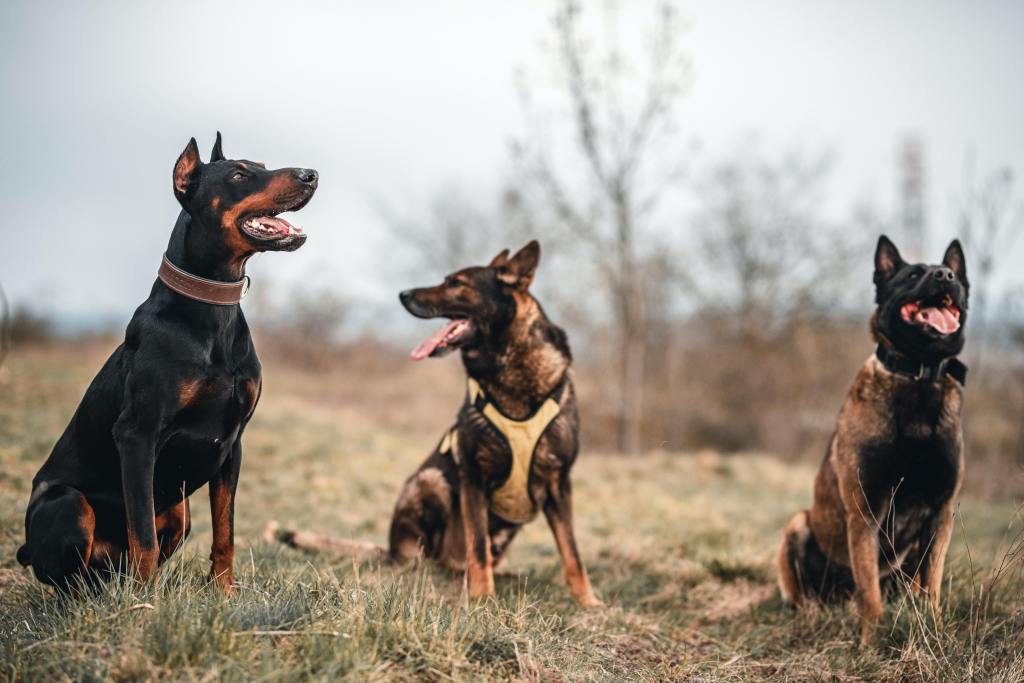
The breeds that consistently dominate the top spots in advanced levels of Schutzhund are German Shepherds, Belgian Shepherds ( particularly the Malinois), Rottweilers, Dobermans and Bouvier des Flandres.
Can a Schutzhund dog be a good family dog?
Yes. Most dogs competing in the sport of Schutzhund make excellent family dogs however there are some things that must be considered. Family dogs need to be respectful with all family members and they must obey some basic commands given by the family members. This is contrary to a trained Schutzhund dog where there is one handler/trainer for the dog and typically the dog will ignore the commands of others. To have a successful family Schutzhund dog, time must be spent working with family members and the dog using a separate set of commands not used in Schutzhund sport.
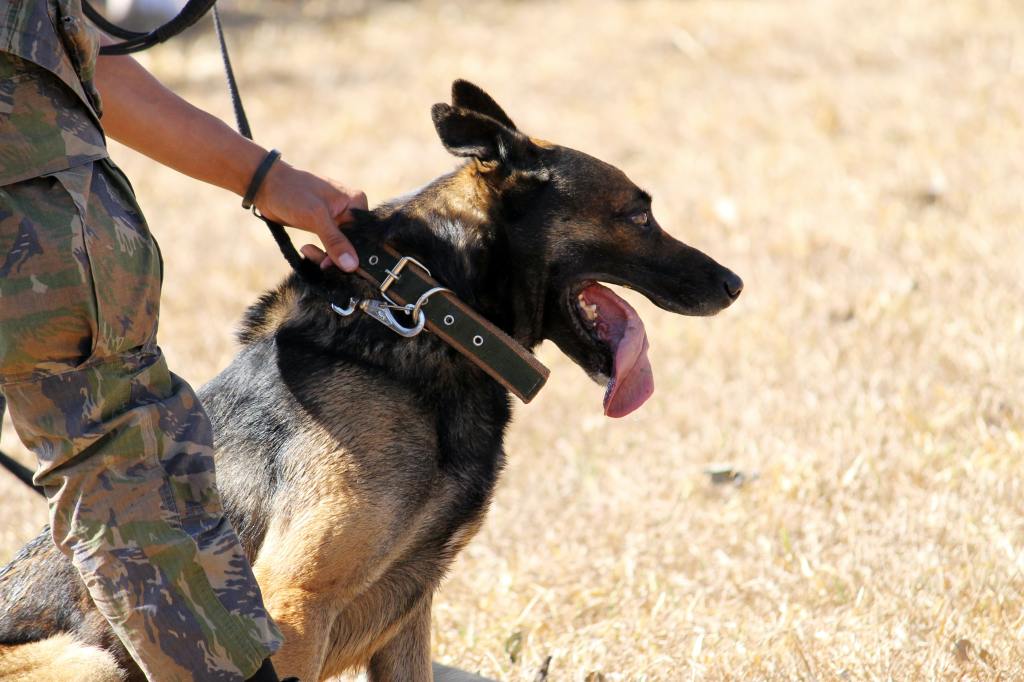
The dog must also learn basic manners and social skills that are not used in the sport. Often, the dog will not properly engage in play with anyone except the handler so this is something else that must be taught or sometimes avoided. There are many other considerations especially in the higher levels of Schutzhund but with time, most dogs can be successfully integrated into family life with some work. One thing to remember is that high level Schutzhund dogs generally have extreme drives and energy levels, and this must be properly worked for the dog to live a balanced family life.
What equipment is needed to compete in Schutzhund?
Some basic Schutzhund training equipment is listed here however there is much more you can purchase as you progress:
- Bite sleeves and suits
- Good quality working dog leash
- Heavy duty long line leash
- Dog dumb bells
- Agility equipment such as scaling walls and hurdles
- High quality collars
- Prong collar
- Bait/treat bag
- Crate
- Harness
- Training toys such as tugs, bit pillow, balls, and flirt poles
If you have any questions, please feel free to drop a comment below in the comment box or send a private comment via our “Contact” page.
Cheers, Lynn
Sharing is caring

A Little Bit About Border Collie History
The Extraordinary Scottish Herding Dog
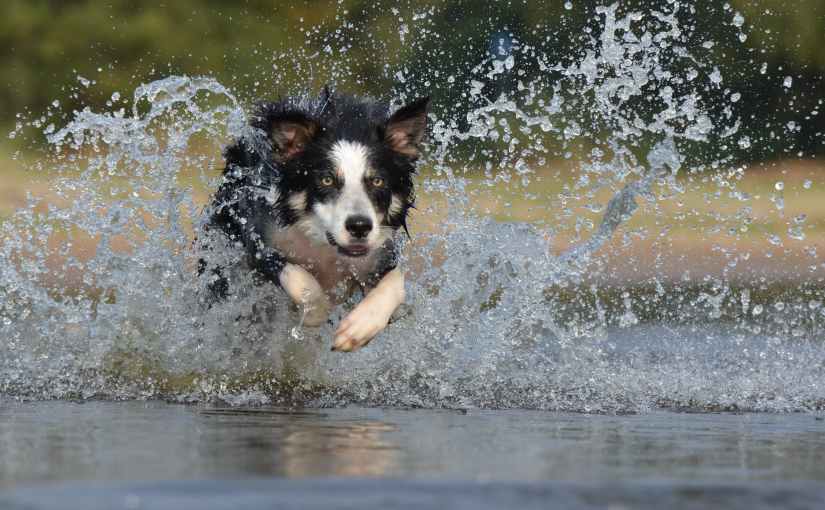
The Border Collie is a medium sized working dog classified as a member of the herding dog group. This sassy Scottish dog is said to be the smartest of all the breeds and also one of the most popular of the herding dogs. Herding dogs are bred to control a variety of livestock. They are virtually tireless, and they love to work. There are many dog breeds that are included in the herding group; German Shepherds, Belgian Shepherds, Corgis, Australian Shepherds, Rottweilers, Bernese Mountain Dogs and Briards are just a few. In total there are over 30 different breeds included in this fascinating canine category.
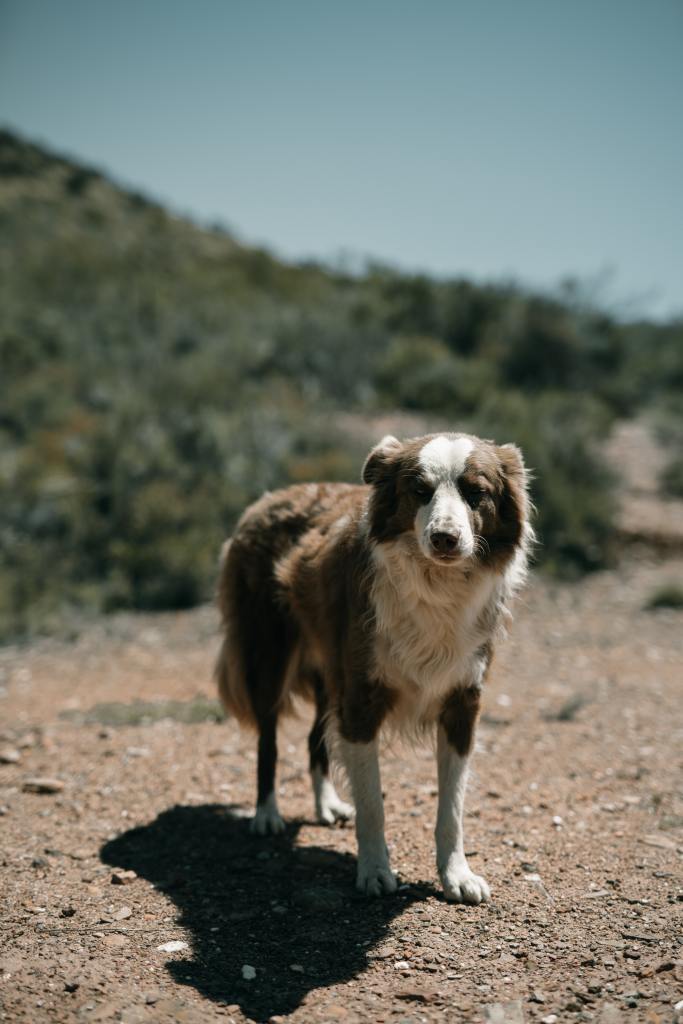
Herding breeds can range in size from medium-small to medium large and come from all over the world however they all have significant prey drives, and it is this drive that makes them so great at what they do. Over the years, the predatory behaviour of herding dogs has been modified to create the strong herding instinct we see today. Instead of treating livestock such as cattle or sheep as prey to be eaten, their behaviours have been honed to create a strong desire for the dogs to move and steer the livestock to assist their masters, the shepherds. Herding dog breeds are associated with the development of cattle breeding.
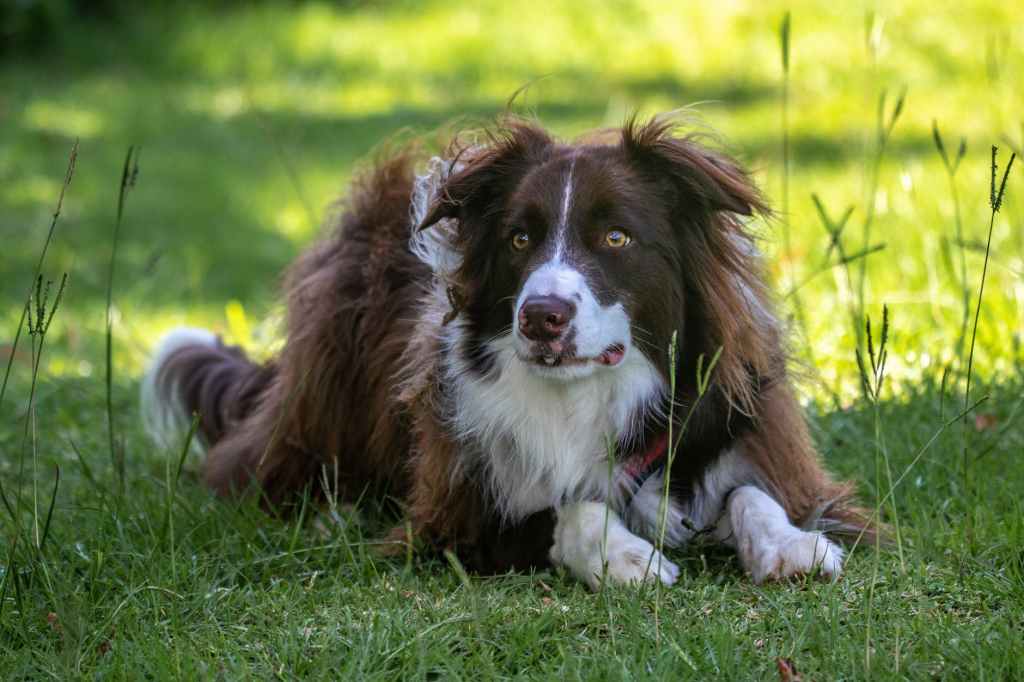
The herding dogs each work in a particular way. Some will nip at the heels of the livestock to get them to move. These dogs are called “heelers” and they are best used at the back of the herd to drive them or push them forward. Others will stare down the livestock to move them. These dogs are referred to as “headers” and they are used to keep the livestock in a group, to turn the herd or to stop the herd. Using headers and healers together enables a shepherd to handle large herds of livestock which is something that would be impossible to do alone or even with a group of people. There are even a few breeds that can perform both the heading and healing tasks and they will run from the back up to the front and back again to move the herd. Their energy levels are extreme as they must run tirelessly for long periods of time. Examples that can perform both heading and healing are the Australian Kelpie and the Australian Koolie.
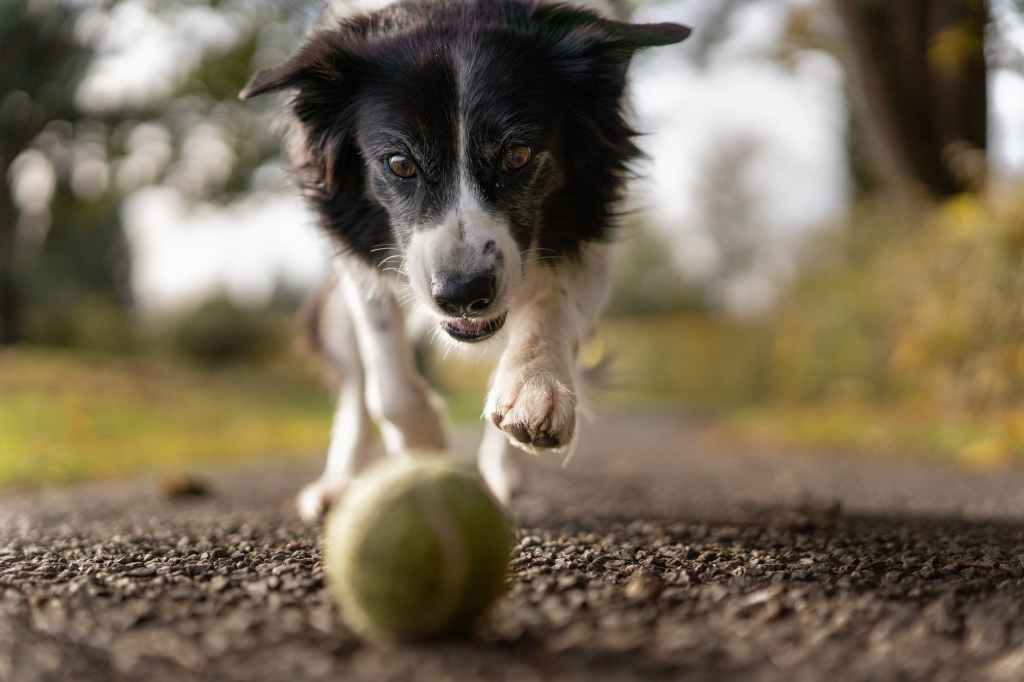
The Border Collie is known as a header with a very strong eye. They stare at the livestock to make them move. They are used most often to herd sheep. Border Collies are extremely intelligent, athletic, playful, and hard working. Border Collies do best when used as a working dog or farm dog. When kept as a pet, these dogs can be quite demanding and crave attention and stimulation therefore they are best suited for homes that can properly meet their needs so that behaviour issues do not develop.
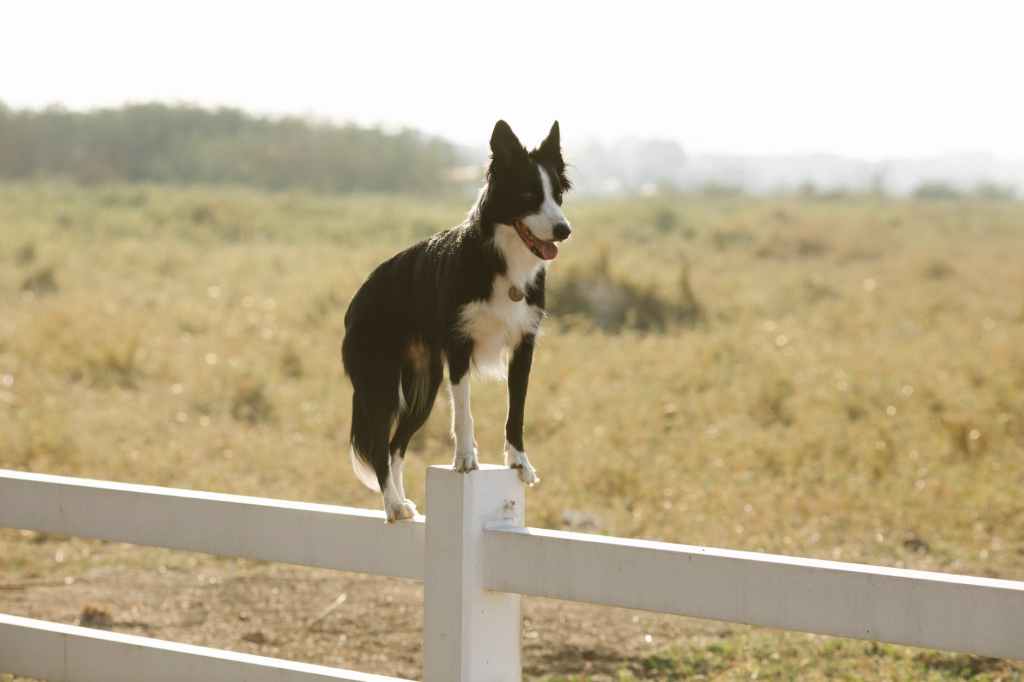
Border Collie History
Border Collies fall within a distinct group of dogs called Collies. The group includes the Rough Collie, the Smooth Collie and the Welsh Sheepdog. Collies originated in Scotland and Northern England, and they all descended from Landrace (Native) Collies which originated in the British Isles.

What is a Landrace?
A Landrace is a species of animal or plant that has developed over time. Landrace animals were developed specifically to serve the needs of humans. They are locally adapted to the climate and landscape within a specific ecological niche. Their development through time was a result of environmental adaptations and influenced mainly by the pressures of natural selection. But also, from human preferences and interference. Landrace dogs are bred without any formal registry however the farmers who bred them often kept informal written records.
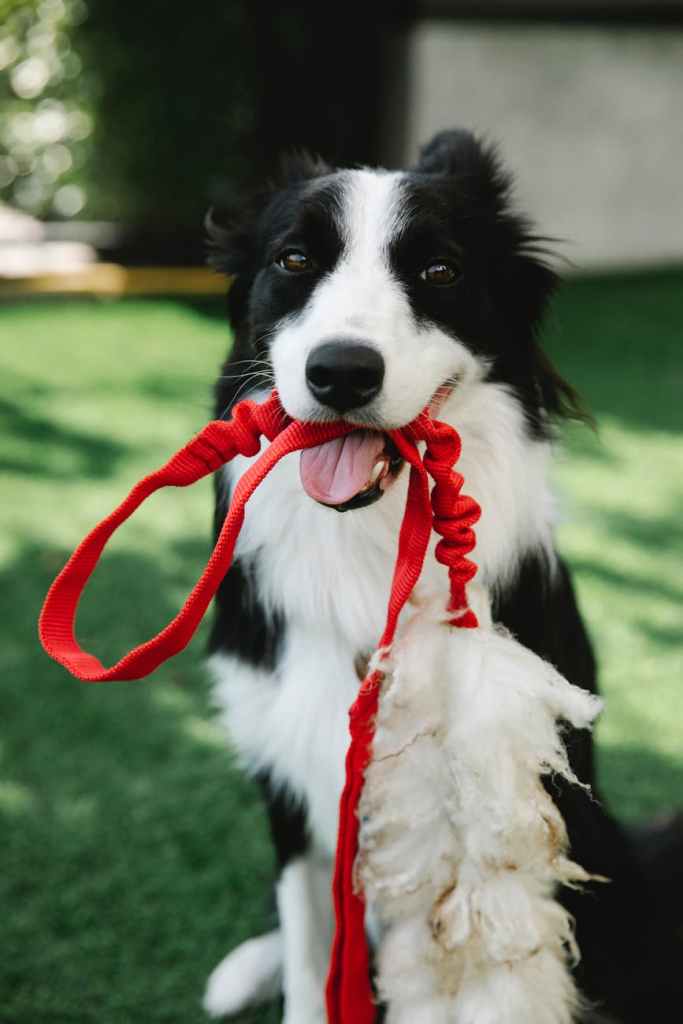
Unlike breeds which are homogenous in nature (typically highly inbred), landraces are heterogeneous (genetically diverse). They have enough characteristics in common to be seen as a group but since they are bred more for their working suitability out of necessity, their appearance is often quite different than other members of the same landrace group. Landrace dogs are often referred to as stock dogs because there were many different breeds that arose from a particular stock or foundational group.
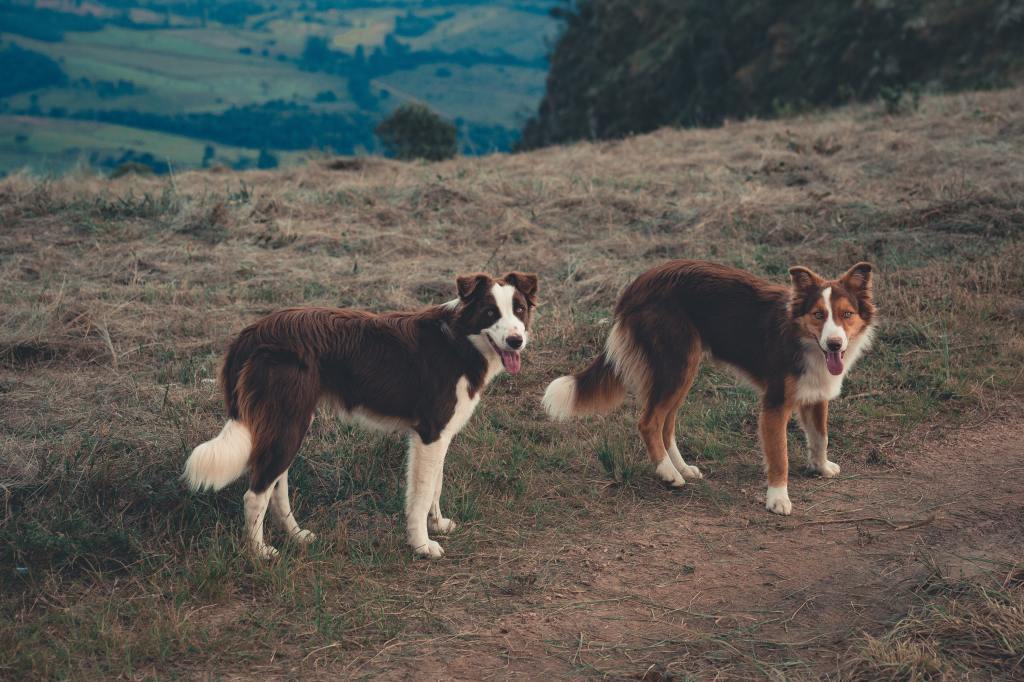
Landrace dogs have better stability of their characteristics and can resist or tolerate adverse influences better. They are adapted to their environment, in fact, they were created because of their environment. Their genetic entities are consistent and predictable. A Landrace dog is one which is at the early stages of their breed development, prior to formal breed registry. They are bred for working ability and not bred to breed standards or registries hence there is more variety in their appearance. Both the Rough Collie and Border Collie standardized breeds emerged from the Scotch Collie.
Naming of the Border Collie
Border Collies were developed over hundreds of years by Shepherds around the time of the Border Reivers. The Reivers was an historic feud between England and Scotland that date from the 14th century through into the late 17th century. Stories of cattle rustling, feuding, pillaging, and murder emerged from these long-lasting border wars. The Border Collie likely inherited the name because it originated along the Anglo-Scottish border. Old stories about the Reivers tell of black and white dogs trained to herd stolen livestock away from their owners to discrete hiding places where thieves would then come to collect them and keep as their own. Raiding or plundering livestock was the principal business of Border families during the Reiver feud.
The majority of recorded Border Collies can be traced back to the end of the 1800’s, to one dog called “Old Hemp” bred by Adam Telfer from Woodburn in Northumberland. Old Hemp was believed to have sired over 200 pups in his lifetime.
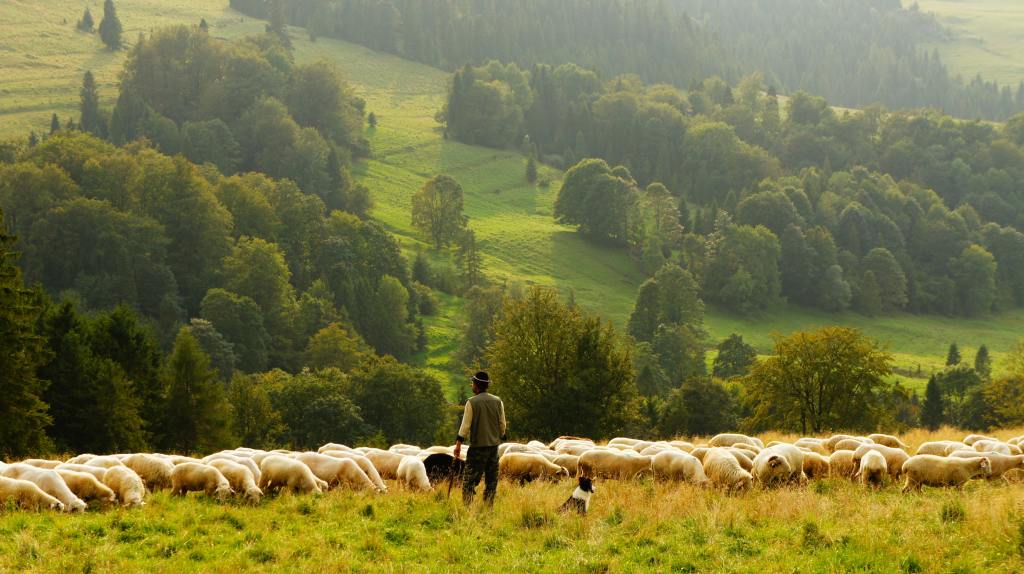
There is an old Scottish saying that goes something like this: There is no good flock without a good shepherd and there is no good shepherd without a good dog.
Herding dogs have worked side by side with humans since ~9000 BC, when the domestication of animals such as sheep began. Without these incredible canine aids, humans would not have been able to progress the way they did, as it would have simply been impossible to raise and care for the vast amount of livestock, they had without an army of men to work them.
“A single shepherd and his dog will accomplish more in gathering a stock of sheep from a highland farm than twenty shepherds could without dogs, and it is a fact that without this docile animal the pastoral life would be blank. Without the shepherd’s dog, the whole of the mountainous land in Scotland would not be worth sixpence. It would require more hands to manage a stock of sheep and drive them to market than the profits of a whole stock would be capable of maintaining” James Hogg (Scotland sometime between 1780 and 1835).
Sharing is caring

A Little Bit About Livestock Guardian Dog History
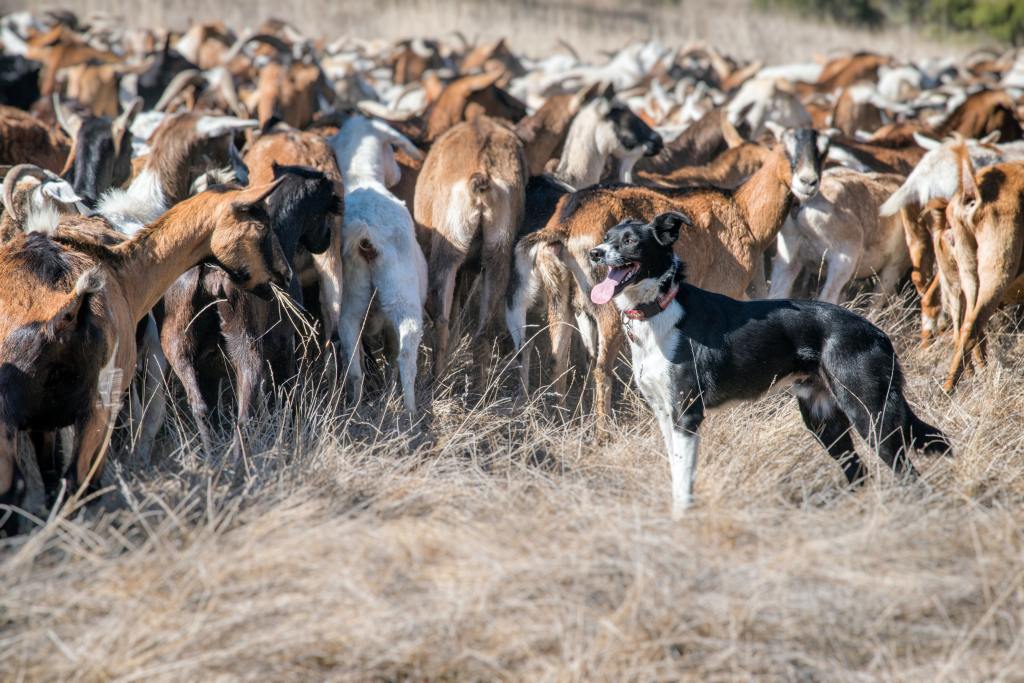
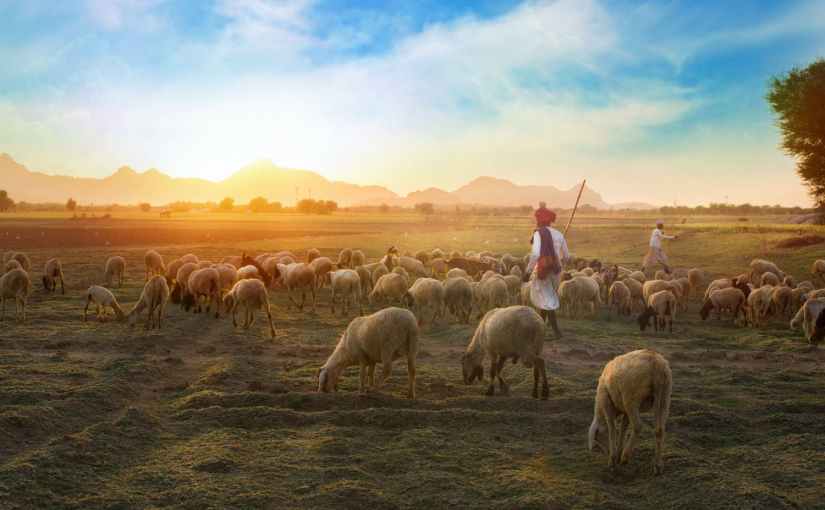
Livestock Guardian Dogs (LGD’s) are a type of dog bred for the purpose of protecting livestock from predators such as wolves. Instead of helping shepherds move their livestock like herding dogs, LGD’s protect the herd from external threats. There are currently about 50 different breeds of LGD’s. The groups include breeds such as the Maremma Sheepdog, the Great Pyrenees Mountain Dog, the Alentelo Mastiff, the Anatolian Shepherd, the Akbash, the Tibetan Mastiff and the Komondor to name just a few. LGD breeds are usually large and powerful, and they will fiercely protect their herd. They use several methods of protecting their herd. Some will chase predators away. Some will take their herd to safety. Others will notice when one has strayed and go retrieve it to bring it back to safety. They are independent and live full time outside with the livestock in all weather and terrain so they must be rugged and agile. LGD’s have water-repellent coats and tend to retain heat better because they carry more fat reserves, and this helps protect them from severe cold and allows them to go longer without food. Most often, their colouration will depend on the colour of the herd they live with so they can easily blend into the herd. Using LGD’s to protect livestock is an ancient tradition however their use as livestock protectors from predators remains the most efficient and sustainable method. With the reintroduction of many large predators around the world, the use of LGD’s is currently growing in many regions.
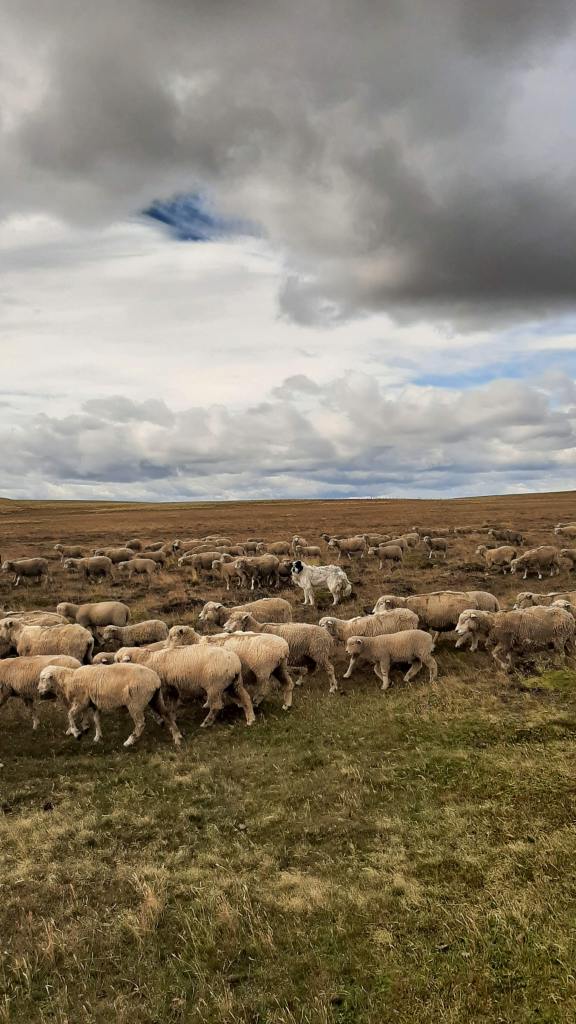
Where Did the First Livestock Guardian Dogs Come From?
The use of livestock guardian dogs (LGD’s) has been pivotal to the coexistence of domestic livestock and predators such as wolves. They have been used in Europe and Asia for thousands of years to guard livestock against wild predators, from thieves and from feral dogs. This group of distinct dogs were developed throughout Eurasia over a period of several centuries. It is believed that the origin of LGD’s began in what is now known as Turkey, Iraq and Syria nearly 6000 years ago. It was also in these and surrounding Near East regions around 7000-8000 years BC, that sheep and goats are thought to be first domesticated. Since this time, humans have had to protect their livestock from wild predators.
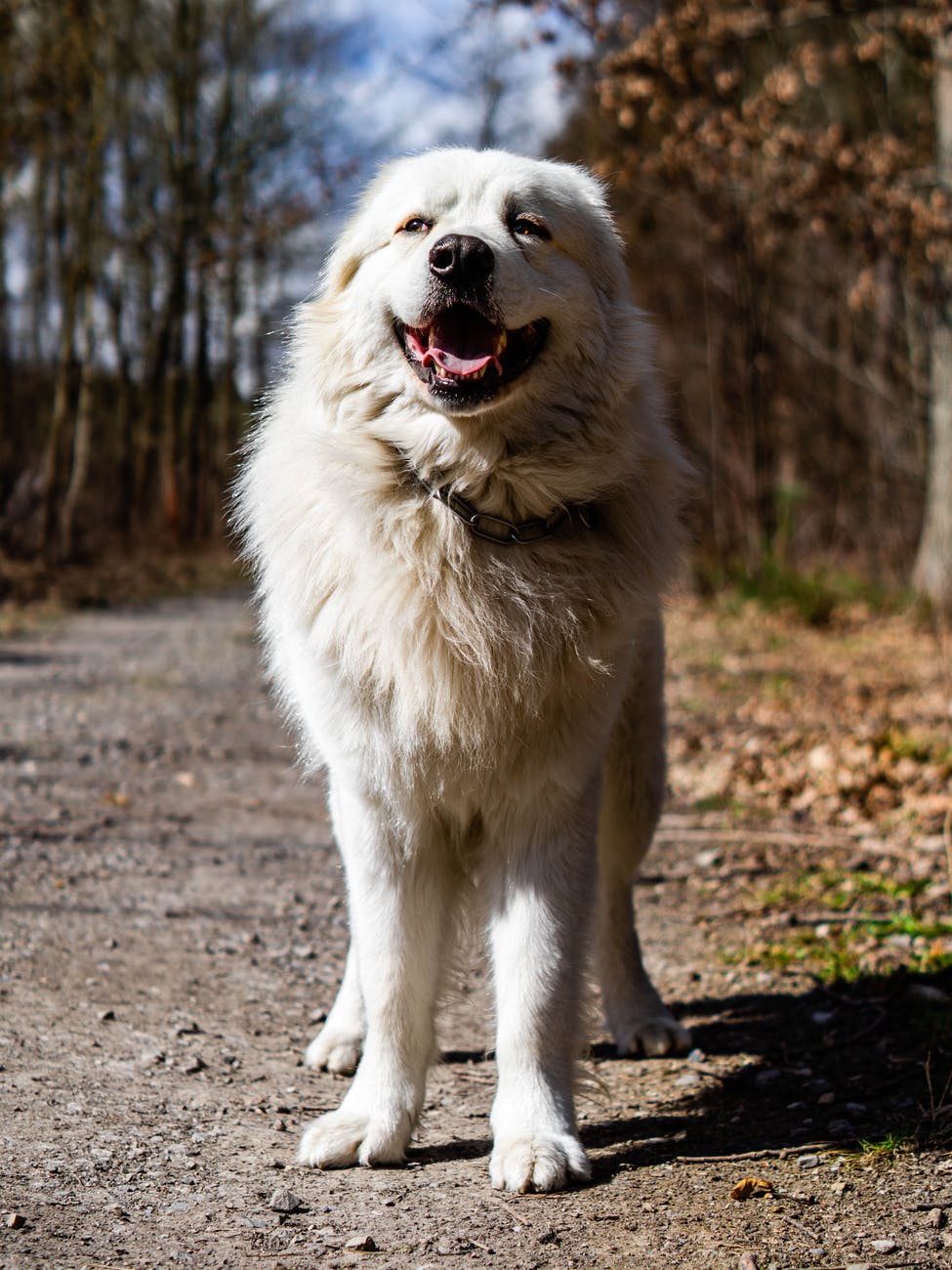
Archaeological records indicate a relationship between the existence of dogs used to protect livestock from predators dating back to 5600 BC but without any real indication as to the use of the dogs. The oldest clearly stated description of livestock guardian dogs on record is found in Aristotle’s History of Animals, Book IX, written in the 4th century BC:
“Of the Molassian breed of dogs, such as are employed in the chase are pretty much the same as those elsewhere; but sheep-dogs of this breed are superior to the others in size, and in the courage with which they face the attacks of wild animals. Dogs that are born of a mixed breed between these two kinds are remarkable for courage and endurance of hard labour.”
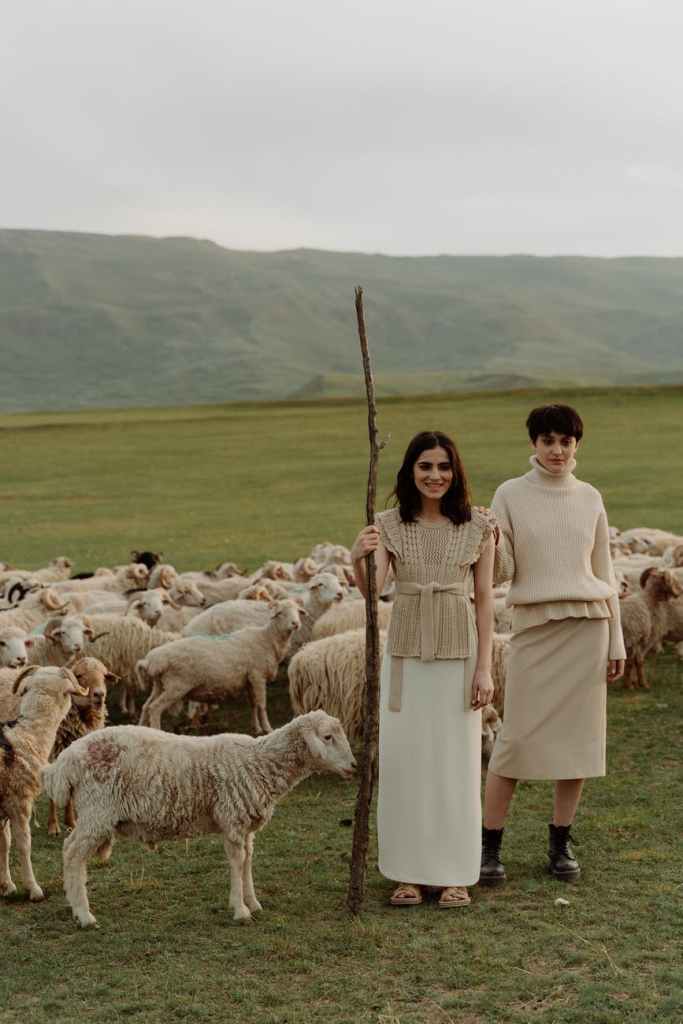
From those first ancient times of livestock domestication in the Near East, livestock breeding soon spread across most of the world. Currently both stationary and nomadic livestock production systems (pastoralism) cover approximately one quarter of the Earth’s surface, with up to 200 million people depending on the highly sustainable practice of pastoralism. Pastoralism is a sustainable system of subsistence farming, involving the raising of domestic livestock characterized by high mobility. These practices are vital to the survival of people in many countries. It would have been nearly impossible for shepherds to keep their herds grazing safely without the presence of LGD’s to watch over and protect their massive livestock herds. LGD’s were essential to the development of these bio-cultural systems which allow humans to inhabit some of the world’s vast dry lands. Pastoralism and the use of LGD’s are still very relevant and important in today’s world.

Changing large carnivore conservation policies in the 21st century includes the reintroduction of many large carnivore predators to areas where none or few have been for the last century and LGDs are regaining relevance. LGD’s represent a key component to facing the challenges of extensive livestock grazing and the co-occurrence of these newly reintroduced predators. In Western and Northern Europe and in North America, many farmers and shepherds are returning to using LGD’s as a non-lethal method to protect their herd. LGD is a cost effective method that can reduce a farmer’s animal loss by 11%-100% hence many government agricultural programs support their use. One thing is certain, LGD’s have a long history working with humans and are an important component of our cultural heritage.


 A Balancing Act