A Little Bit About Livestock Guardian Dog History

Livestock Guardian Dogs (LGD’s) are a type of dog bred for the purpose of protecting livestock from predators such as wolves. Instead of helping shepherds move their livestock like herding dogs, LGD’s protect the herd from external threats. There are currently about 50 different breeds of LGD’s. The groups include breeds such as the Maremma Sheepdog, the Great Pyrenees Mountain Dog, the Alentelo Mastiff, the Anatolian Shepherd, the Akbash, the Tibetan Mastiff and the Komondor to name just a few. LGD breeds are usually large and powerful, and they will fiercely protect their herd. They use several methods of protecting their herd. Some will chase predators away. Some will take their herd to safety. Others will notice when one has strayed and go retrieve it to bring it back to safety. They are independent and live full time outside with the livestock in all weather and terrain so they must be rugged and agile. LGD’s have water-repellent coats and tend to retain heat better because they carry more fat reserves, and this helps protect them from severe cold and allows them to go longer without food. Most often, their colouration will depend on the colour of the herd they live with so they can easily blend into the herd. Using LGD’s to protect livestock is an ancient tradition however their use as livestock protectors from predators remains the most efficient and sustainable method. With the reintroduction of many large predators around the world, the use of LGD’s is currently growing in many regions.
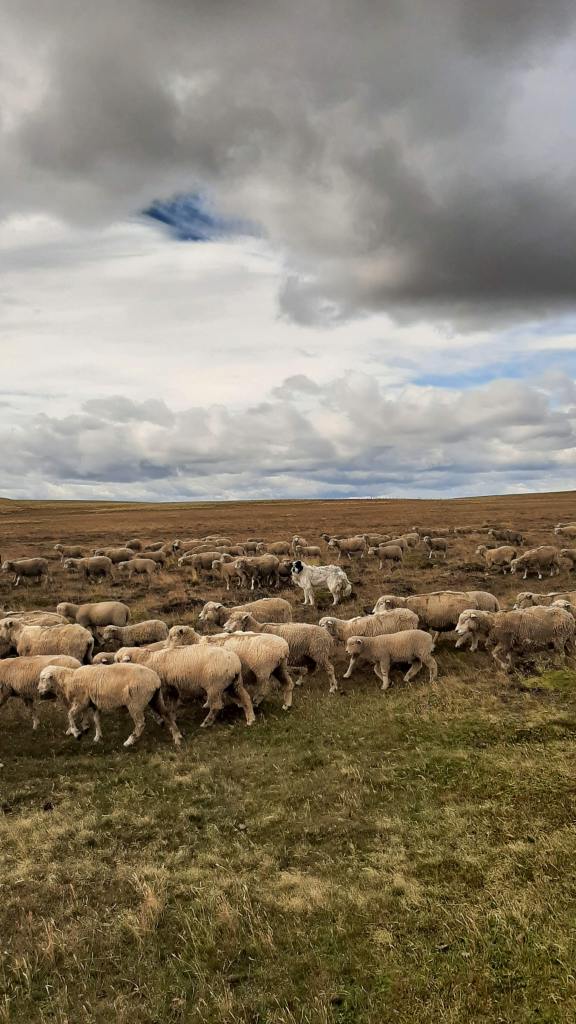
A Livestock Guardian Dog and his flock

Where Did the First Livestock Guardian Dogs Come From?

The use of livestock guardian dogs (LGD’s) has been pivotal to the coexistence of domestic livestock and predators such as wolves. They have been used in Europe and Asia for thousands of years to guard livestock against wild predators, from thieves and from feral dogs. This group of distinct dogs were developed throughout Eurasia over a period of several centuries. It is believed that the origin of LGD’s began in what is now known as Turkey, Iraq and Syria nearly 6000 years ago. It was also in these and surrounding Near East regions around 7000-8000 years BC, that sheep and goats are thought to be first domesticated. Since this time, humans have had to protect their livestock from wild predators.
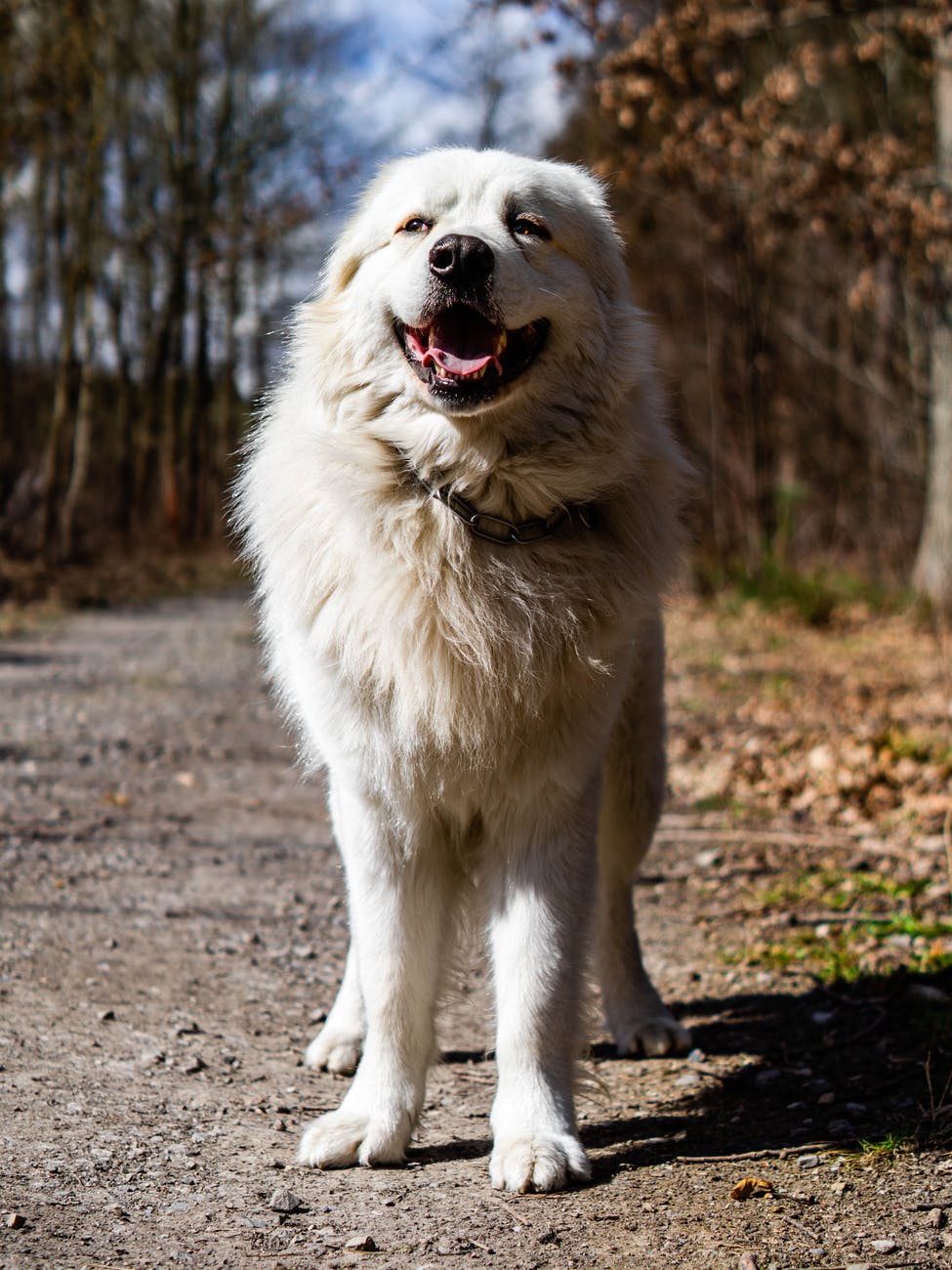
Great Pyrenees Dog, one of the many LGD breeds
Photo by Tychon Krug on Pexels.com

Archaeological records indicate a relationship between the existence of dogs used to protect livestock from predators dating back to 5600 BC but without any real indication as to the use of the dogs. The oldest clearly stated description of livestock guardian dogs on record is found in Aristotle’s History of Animals, Book IX, written in the 4th century BC:

“Of the Molassian breed of dogs, such as are employed in the chase are pretty much the same as those elsewhere; but sheep-dogs of this breed are superior to the others in size, and in the courage with which they face the attacks of wild animals. Dogs that are born of a mixed breed between these two kinds are remarkable for courage and endurance of hard labour.”
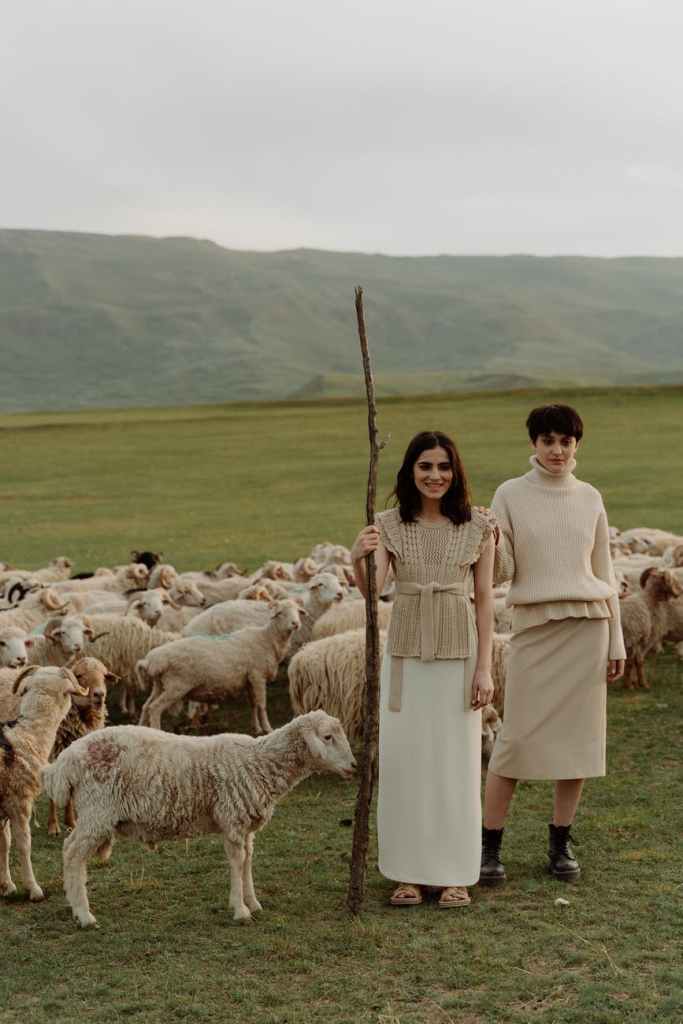
Two women shepherds and their flock
Photo by cottonbro on Pexels.com

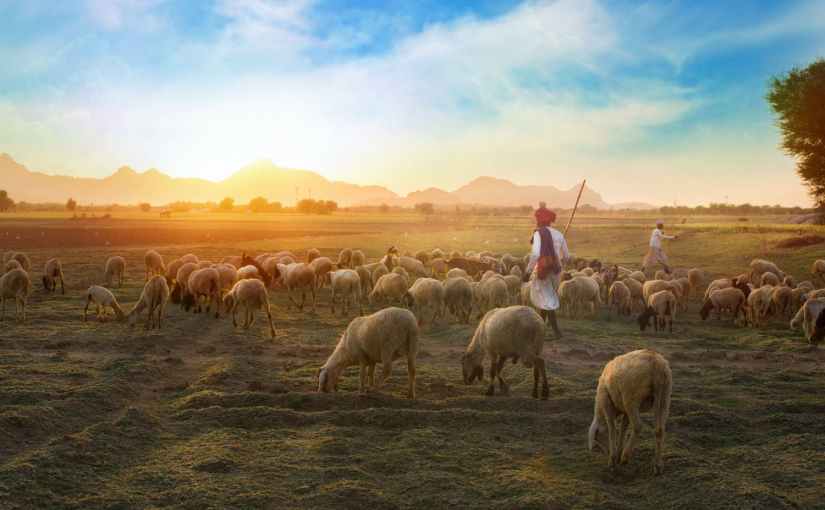
From those first ancient times of livestock domestication in the Near East, livestock breeding soon spread across most of the world. Currently both stationary and nomadic livestock production systems (pastoralism) cover approximately one quarter of the Earth’s surface, with up to 200 million people depending on the highly sustainable practice of pastoralism. Pastoralism is a sustainable system of subsistence farming, involving the raising of domestic livestock characterized by high mobility. These practices are vital to the survival of people in many countries. It would have been nearly impossible for shepherds to keep their herds grazing safely without the presence of LGD’s to watch over and protect their massive livestock herds. LGD’s were essential to the development of these bio-cultural systems which allow humans to inhabit some of the world’s vast dry lands. Pastoralism and the use of LGD’s are still very relevant and important in today’s world.

A Sheepdog watching over his flock


Changing large carnivore conservation policies in the 21st century includes the reintroduction of many large carnivore predators to areas where none or few have been for the last century and LGDs are regaining relevance. LGD’s represent a key component to facing the challenges of extensive livestock grazing and the co-occurrence of these newly reintroduced predators. In Western and Northern Europe and in North America, many farmers and shepherds are returning to using LGD’s as a non-lethal method to protect their herd. LGD is a cost effective method that can reduce a farmer’s animal loss by 11%-100% hence many government agricultural programs support their use. One thing is certain, LGD’s have a long history working with humans and are an important component of our cultural heritage.

A shepherd and his livestock guardian dogs

A Little Bit About Siberian Husky History

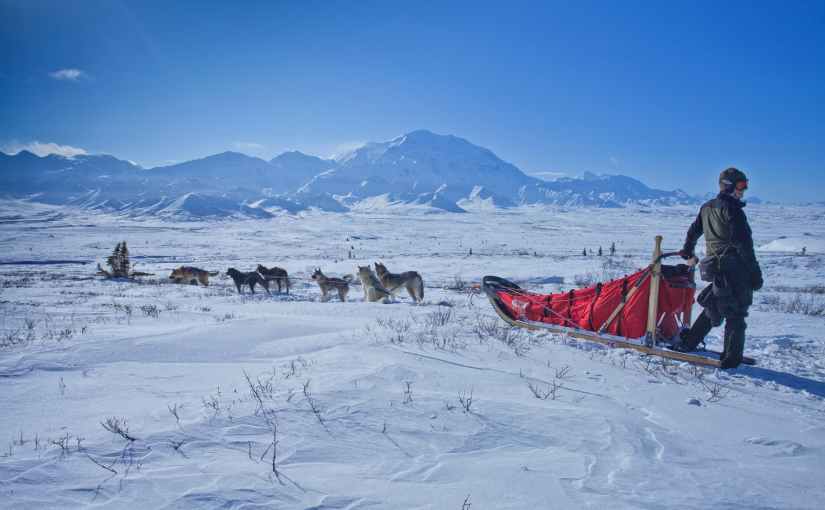
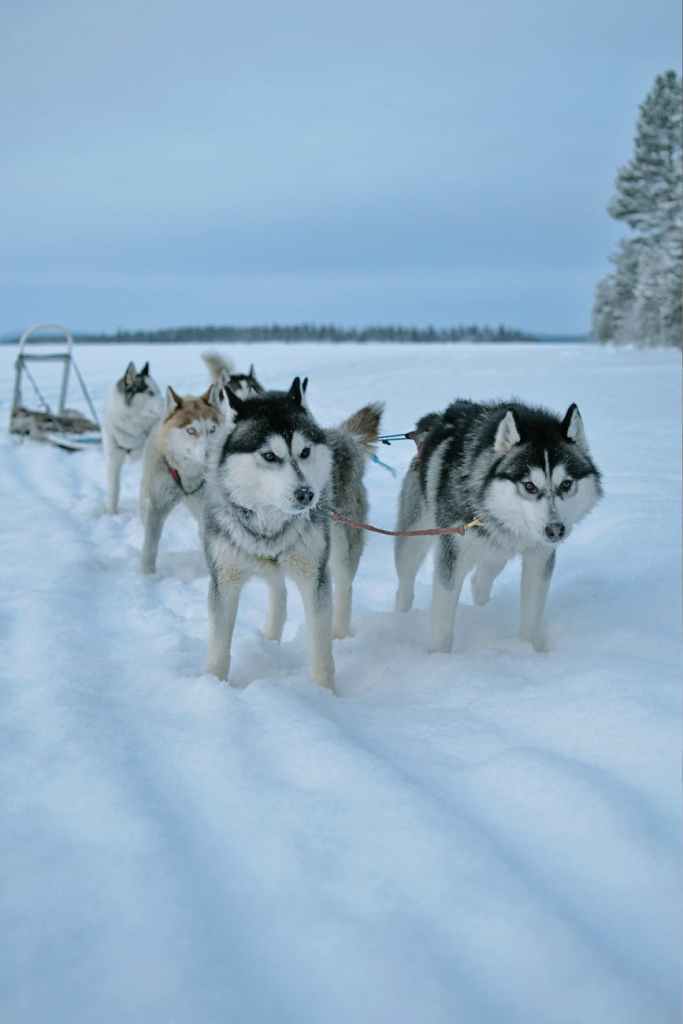
Siberian Husky sled dogs - dog sledding team of Siberian Huskies
Photo by Green_grey Darya on Pexels.com

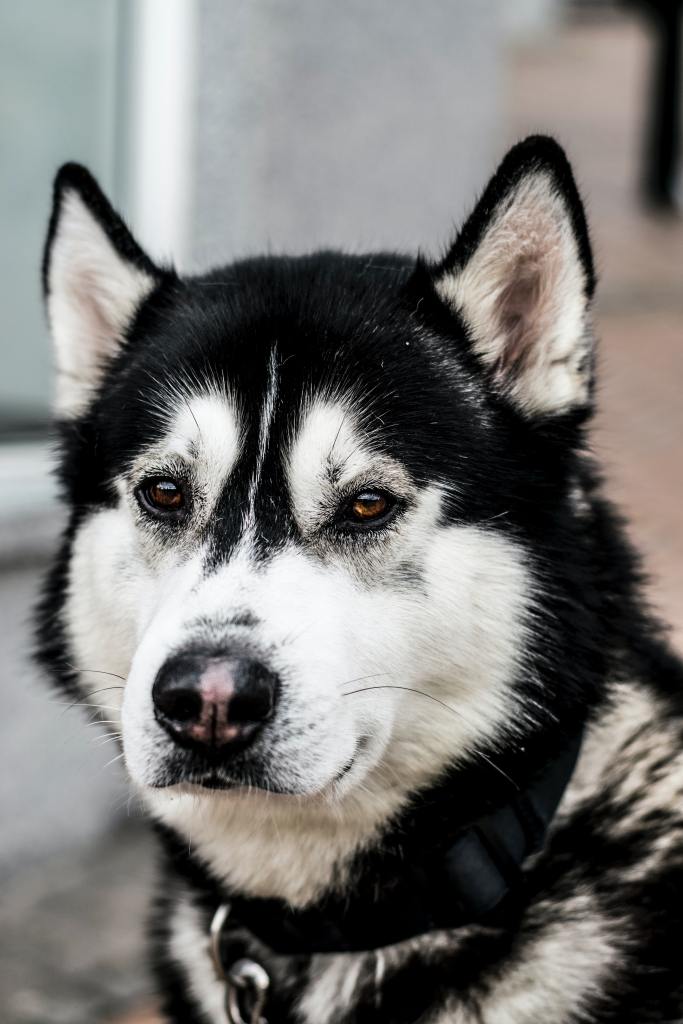
The Siberian Husky is an active, intelligent working dog belonging to the Spitz (Northern Breeds) genetic family of dogs. All Spitz dogs have similar appearance however their size varies greatly. They have double coats and most have a recognizable tail that curves over the back.  Spitz dogs are well suited to live in harsh northern climates and can be classified as sled dogs, hunting dogs, herding dogs, companion dogs and Asian dogs.

Where did Siberian Huskies come from?

So where did Siberian Huskies come from? Well, they originated from a place in Northeast Asia and as you can probably guess by their name, that place was the Siberian Arctic, where dogs have been essential to the survival of humans for almost 10 thousand years. Siberian Huskies were actually bred by the Chukchi people. They were used to pull their sleds, and this allowed them to travel to the best hunting spots (which were often too far to get there and back in one day) in the same day.

How did Siberian Huskies get from Siberia to Alaska and the Canadian Arctic?

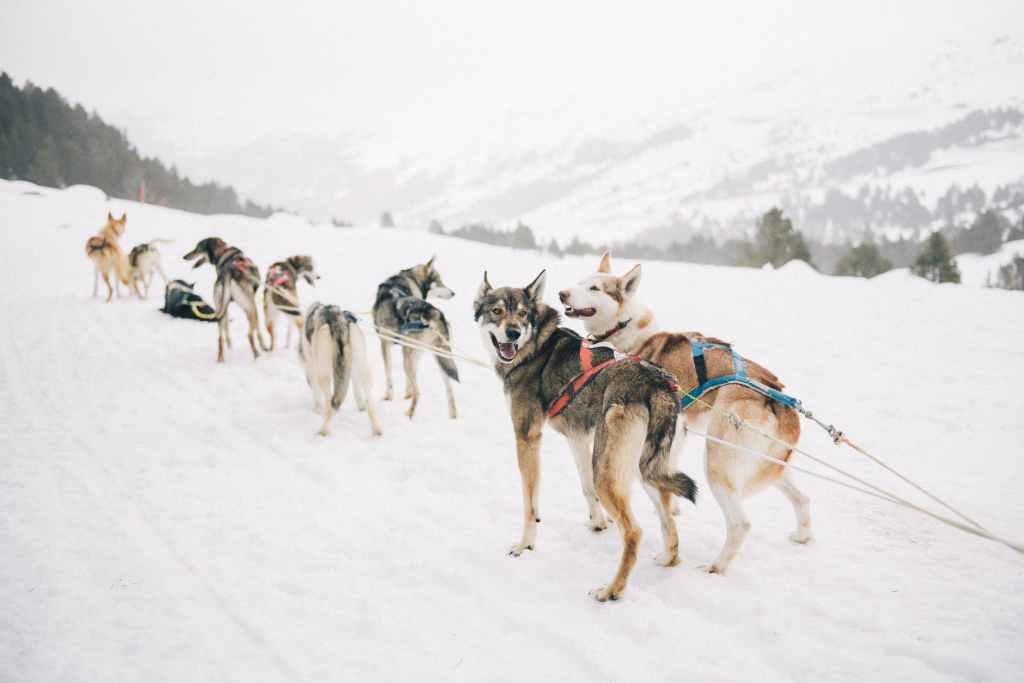
Many dogs were imported to Alaska from Eastern Siberia and the surrounding regions during the gold rush to use as sled dogs. In 1908, when polar exploration was becoming popular a Russian fur trader named William Goosak came to Alaska to enter the All Alaska Sweepstakes race, with a team of little Chukchi dogs he had bought at a local fair on the Siberian peninsula. The Chukchi dogs were small in size and big in power and endurance. They had a reputation as excellent sled dogs with incredible endurance skills so he thought they would do well in the 408 mile race. Other dog sledders watched as Goosak and his dog teams excelled in the sledding world. One man, Leonhard Seppala was very impressed with these little Chukchi dogs so he also imported some. Seppala started breeding his dogs and built a formidable team. He competed in races from 1909 to the 1920’s and did exceptionally well, winning multiple championships and building the reputation of the little Chukchi dogs. Impressed with the performance of Goosak’s dogs, another dog sledder named Fox Maule Ramsey decided to purchase 70 of the little Siberian Chukchi dogs from Siberia and bring them to North America by freighter across the Bering Sea. With those dogs, Ramsey entered 3 teams in the 1910 race and placed first, second and fourth. The popularity of the little Chukchi dogs skyrocketed in Alaska.

Team of Siberian Huskies - sled dogs at work
Photo by Olya Kobruseva on Pexels.com

The Creation of the Modern Siberian Husky

Almost all modern Siberian Huskies descended from a group of Siberian Chukchi sled dog imports. These dogs were owned by Leonhard Seppala. The most notable was Seppala’s lead dog called Togo. In 1925, a small group of dog sledders successfully transported desperately needed diphtheria serum across 965 km of treacherous arctic terrain, from Nenana, Alaska to Nome, Alaska. What was said to be the longest (422km) and most dangerous portion of the journey was carried out by Leonhard Seppala, his team of little Chukchi’s and his now famous incredible lead dog Togo. Exportation from Siberia of more Chukchi dogs continued until it was halted in 1930 by the Russian army.

Antarctica - Siberian Huskies were used extensively as sled dogs during the British Antarctic Survey from 1945 to 1994
Photo by Pixabay on Pexels.com

In 1930, the American Kennel Club (AKC) officially recognized the Chukchi sled dogs as “Siberian Huskies”. In 1938, The United Kennel Club (UKC) recognized the breed however they named the dogs “Arctic Huskies”, eventually changing the name to Siberian Husky in 1941. During the British Antarctic Survey (1945-1994) Siberian Huskies were used extensively as sled dogs and enabled the success of the mission.

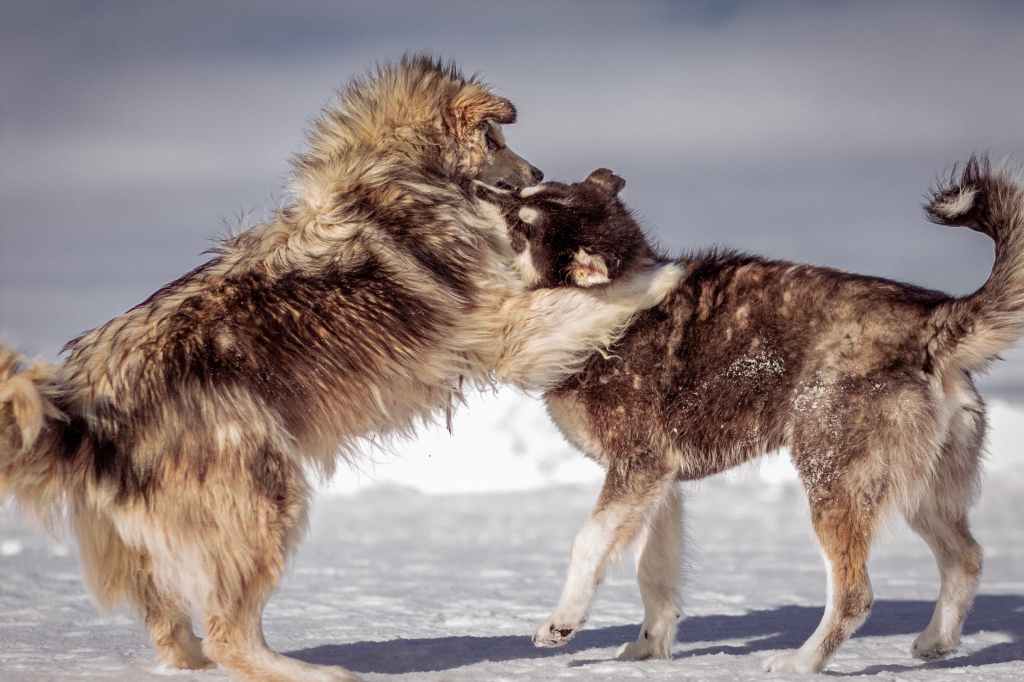
Siberian Huskies at play
Photo by u041fu0430u0432u0435u043b u0413u0430u0432u0440u0438u043au043eu0432 on Pexels.com

The modern Siberian Husky dog is friendly and gentle. They are good with children and can make a good family pet if their behavioural needs are properly met. Siberian Huskies are a highly active breed. They will often howl rather than bark. They are known as great escape artists, often digging, chewing or jumping their way out of backyards, especially if they are bored. Siberian Huskies have a high prey drive and this means they are not often good around small animals, especially fast moving ones. Generally, these dogs do not show any aggression towards humans so they do not make very good guard dogs. Their typical life span is 12 to 14 years.

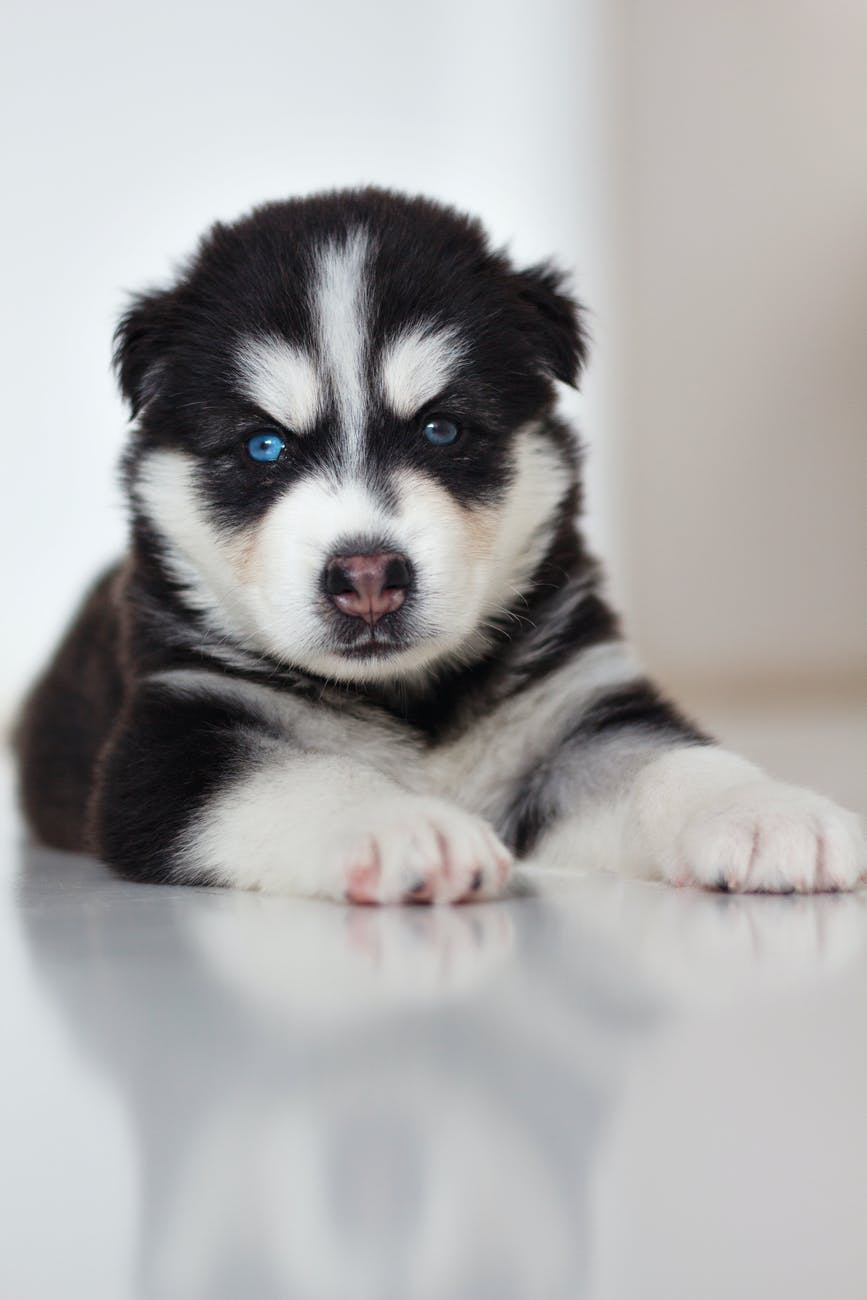
Siberian Husky Puppy
Photo by Lucas Andrade on Pexels.com

Today, Siberian Huskies are a popular breed. They are still used frequently for dog sledding but also now kept as family pets. Aside from pulling sleds, Siberian Huskies excel at many dog sports including agility, rally obedience, skijoring, bikejoring and carting. If you decide to own a Siberian Husky, you need to keep the dog active and involved in structured sports and will hopefully live in a cooler climate as they do not do well in hot climates.

A Little Bit About Irish Wolfhounds

The Irish Wolfhound is an historic gazehound or sighthound originating from Ireland. A sighthound (gazehound) is a type of hunting dog or hound that hunts primary by sight and incredible speed, rather than by scent. Wolfhounds are the tallest breed today, with a minimum height of 30-32 inches for the males and 28-30 inches for the females and they can weigh up to 140 pounds.

The Irish Wolfhound is one of the oldest breeds of dogs known, with Roman records dating back to 301AD. They were not called Wolfhounds at that time but instead were referred to as “Cu” and “Conn”.  Cu is the Irish word for hound. They even appeared on the coat of arms of some ancient Irish Kings. These incredibly large dogs were used as hunting dogs by the Gaels who called them “Cu Faoil” meaning “hound of wolf” however they were also used to hunt Irish Elk, deer, and wild boar.

In 391AD, a Roman Consul named Quintus Aurelius Symmachus writes that he received a gift of 7 dogs (canes Scotici) to use for fighting lions and bears.

Photo by David Selbert on Pexels.com

During the 15th century wolves were overwhelming the Irish landscape and people wanted to be rid of them so their use in Ireland concentrated on hunting wolves. Irish Wolfhounds were known for their ability to take down a wolf with ease, so they were officially named the Irish Wolfhound. When the wild boars and wolves (~1786) became extinct in Ireland their numbers declined rapidly.

Photo by Dario Fernandez Ruz on Pexels.com

On the verge of extinction, Captain George Augustus Graham (1833-1909) rebuilt what is now the modern Irish Wolfhound. This new Wolfhound retained the appearance of the ancient Cu Faoils but not the genetic ancestry. The captain took the biggest and best of 3 different breeds, the Scottish Deerhound, the Great Dane, and the Borzoi, and he built a new modern Irish Wolfhound.

Is the Irish Wolfhound a good pet?

If you are trying to choose a dog breed that is right for you and your family, the Irish Wolfhound may be a good choice of dog for you. Irish Wolfhounds make an excellent family dog but does have certain needs because of its massive size so they are not for everybody. These dogs are quite rare so they tend to cost more to buy and they also can cost more to keep because of the amount of food they require. It does not make a good pet for apartment living and needs a lot of room to run around. For this reason, this breed is best suited for rural living.

The Irish Wolfhounds of today are good with most people, even strangers and make excellent therapy dogs. They are gentle and protective with children hence they make good family dogs.

Photo by Chris F on Pexels.com

Irish Wolfhounds do need exercise to satisfy their hunting drives. They excel at sports such as tracking, lure coursing and agility. They do like to play with other dogs however because of their genetic nature as a wolf hunter and these traits affect the way they interact with other animals. They tend to tackle other animals and may play rough. These dogs are incredibly brave but not generally aggressive and this is another great quality when seeking a family dog. Unfortunately, Irish Wolfhounds have a short lifespan of only 6-9 years and gastric torsion is a common problem because of their immense size. Irish Wolfhounds are quite a rare breed so if you do happen to get a chance to meet one or own one, you should consider yourself very lucky.

A Little Bit About Rottweiler History

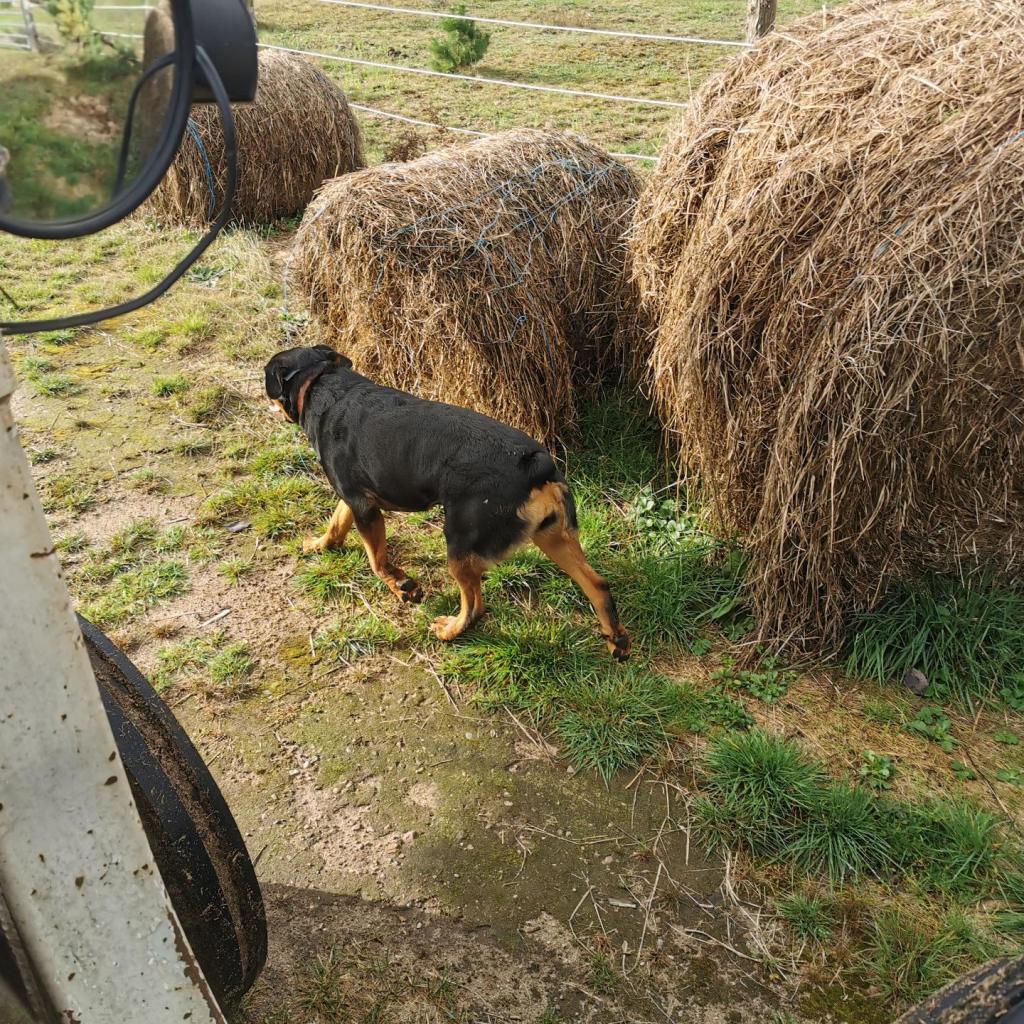
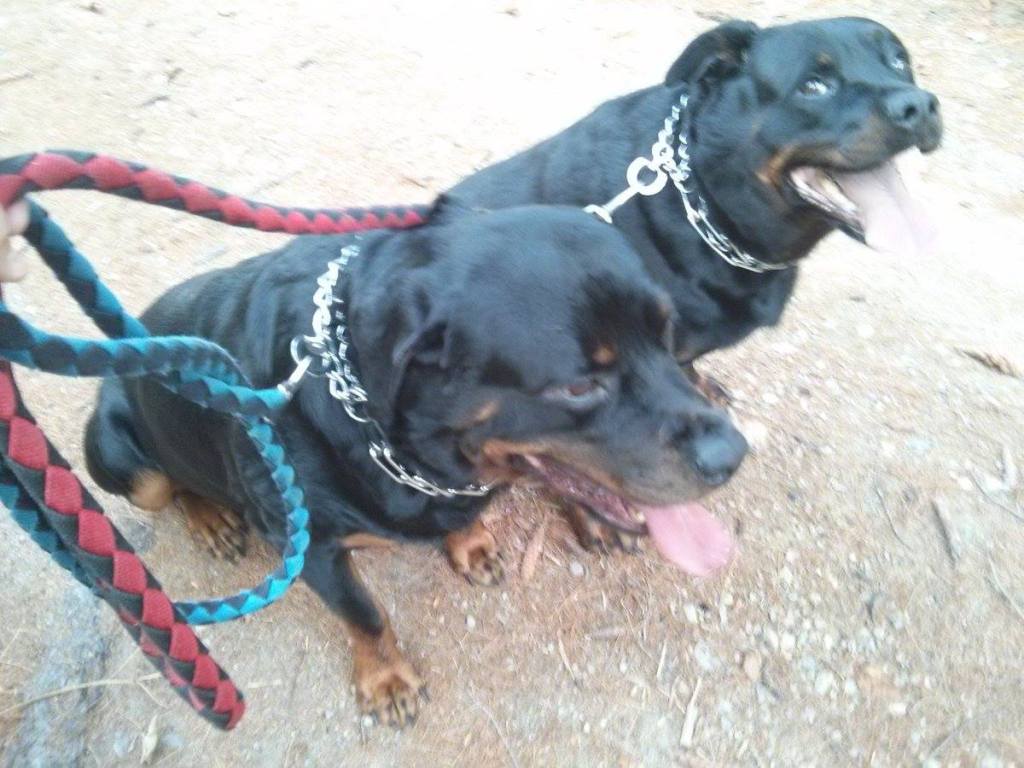
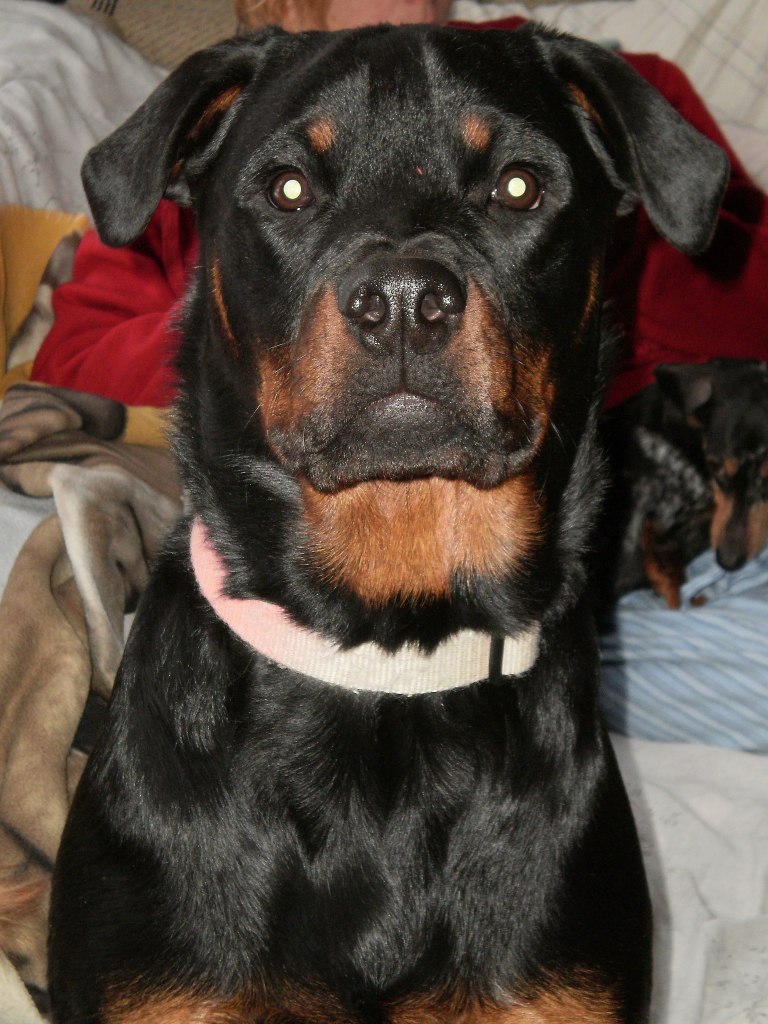
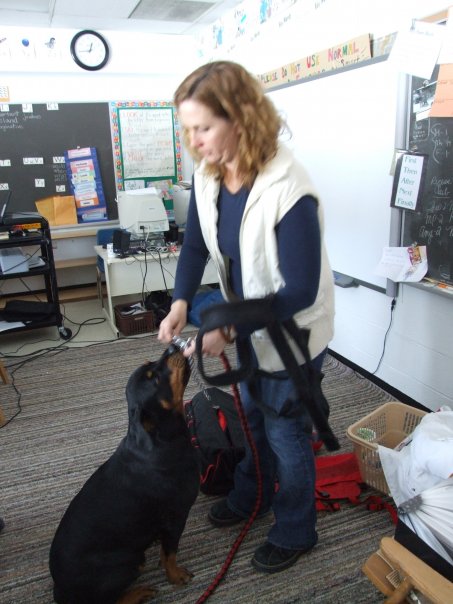
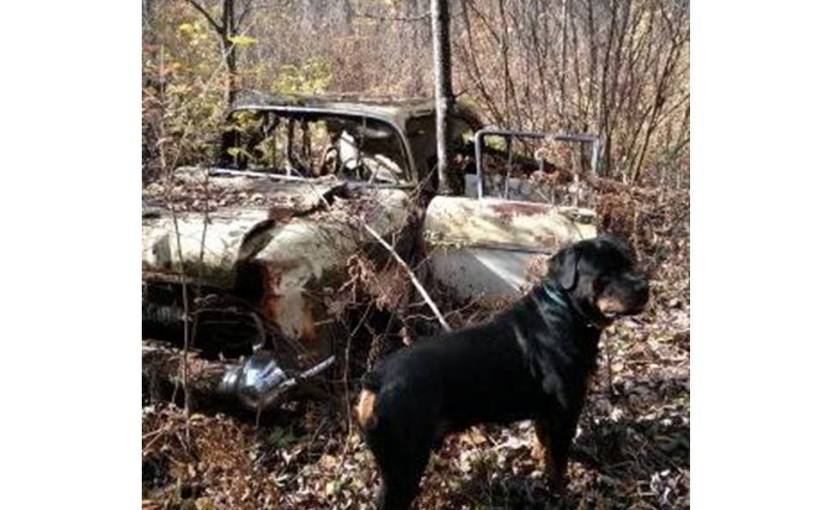
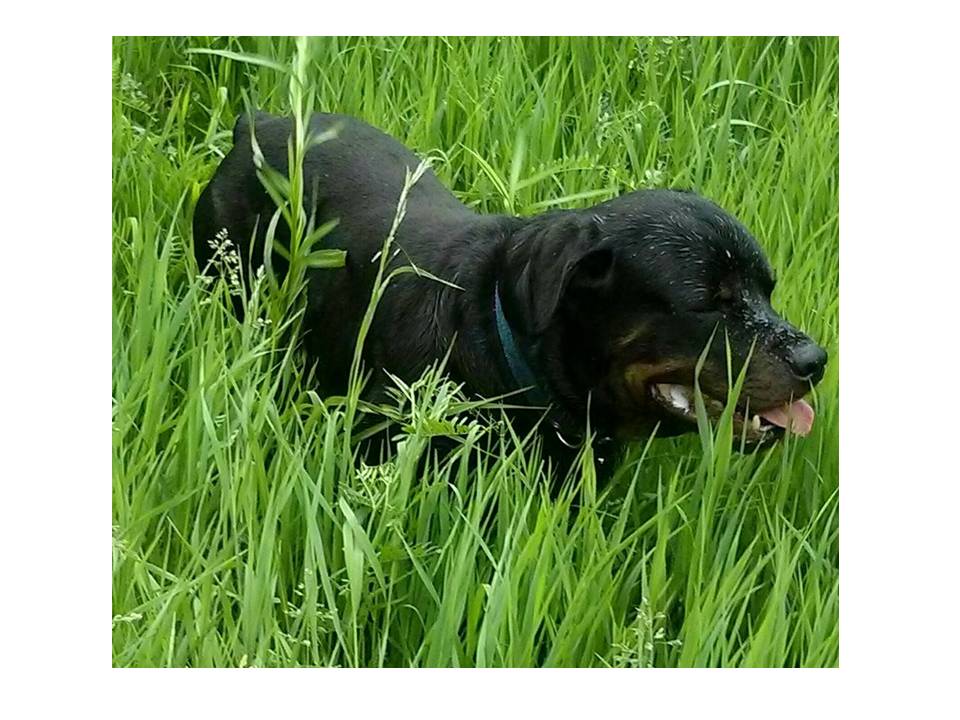
Rottweilers have been a huge part of my life for over 20 years now. I was a rottweiler breeder for many years and also work with many other rottweiler owners to help them with behaviour issues or training. My Rotts were well balanced happy healthy family dogs that were also used for work. I used them for SAR (Search and Rescue) work, skijoring, sledding, carrying, demo dogs for canine first aid seminars and took them into schools and community centres for my dog safety seminars.

Rottweilers are excellent family dogs and used for protection of property or for personal protection. They are extremely versatile, loving, compassionate, gentle and occasionally fierce when guarding their family. Personally I believe that the versatility of rottweilers is what makes them my very favourite breed. That versatility stems for it’s origins. Something many people don’t know or appreciate is the fact that rottweilers are excellent herding dogs. Although they are categorized with other working dogs, their first purpose was herding cattle and other large livestock. Many of my rottweilers were able to herd very well. I tested mine on cattle (Texas long-horns to be exact) to see if I could bring the drive out in them. For many it was a success however I did have some that were primarily “couch potatoes”.

During the rise of  the Roman Empire it is believed that large Roman armies travelled across the Alps into southwest Germany in their quest to conquer Europe. The Romans brought their food on the hoof (no refrigeration) via herds of cattle on their journey. They also brought their drover dogs with them to help them move the herd and keep guard over it. Drover dogs were used by shepherds as guard dogs and were also used by the army. They are believed to be from Asian Mastiff type dogs and are considered to be one of the oldest breeds in the world.  

How the Rottweiler Got it’s Name

Rottweil was founded by the Romans in AD 73 as Arae Flaviae. Owing to the Roman settlement, Rottweil is considered to be the oldest town in the state of Baden-Wurttemberg. For the next two thousand years, the Roman drover dogs were used for herding and driving cattle for trade. By the 1900’s, Rottweil had become famous as a major cattle-herding region. The drover dogs continued to work as a cattle herding dog. They also began to interbreed with the local dogs.

They became famous for their strength and eagerness to work and are still known to be an extremely reliable working dogs today. These dogs often worked for butchers. They would drive the butcher’s cattle to market while also protecting them from predators, and once cattle was slaughtered, the drover dogs would haul the carts full of meat from town to town for the butchers. The dogs also protected their master and the money earned by carrying money bags tied around their necks for safety.

The Romans eventually lost control of the region around 260 AD and eventually the town of Arae Flavaie became known as “Rote Will”, translating to “Red Tile” which stemmed from  the use of red tiles used to build the Roman bath houses. After the German takeover, the region continued to flourish because of the excellent farmland, and the town of Rote Will soon became known as Rottweil, for it’s Roman villas with red rooves. The term “Rottweil” means “Red Villa”. The Drover dogs became known as the “Rottweiler Metzerhund” which means Rottweil’s Butcher Dog. The Rottweiler was a dog in high demand.

During World War I, the demand for Rottweilers spiked. This extremely versatile breed was now being used by police as service dogs. Their strong guarding traits coupled with their ability to search, their excellent obedience skills and strong desire to perform for their master meant that Rottweilers had become one of the most valuable breeds.

In the late 19th century, the Rottweiler’s popularity and usefulness began to wain until they were eventually in danger of extinction. There were some early German breeders that understood the importance of the breed and they preserved it. In 1910 the German Police Dog Association officially recognized the Rottweiler the breed importance and popularity was renewed.

The International Rottweiler and Leonburger Club published the first breed standard for the Rottweiler in 1901 and in 1907 the first club devoted solely to the Rottweiler breed started in Heidelberg, Germany. Other clubs were then established. By 1921, several German Rottweiler clubs joined together to form the Allgemeiner Deutscher Rottweiler Klub (ADRK).

Rottweilers are most definitely my favourite of all dog breeds. It’s not that I don’t love and appreciate some of the other working breeds but rotts have my heart forever.

Cheers, Lynn

Searching for a suitable breed

As a dog trainer and behaviourist I have the privilege of working with some pretty extraordinary dogs. One repeated issue I find is that people do not put enough time and effort into learning about the breed of dog they bring into their home and this can lead to many issues. I recommend taking the time to research the breeds thoroughly prior to committing to adopting a dog.

Whether I am helping a client find the right dog for their family, setting up a customized training program or addressing behavioural issues I tend to look at dogs as one of 2 types. They are either a dog that has been bred specifically to do a job such as hunt, guard or herd or they are dogs that are bred mainly as companion dogs. I also must strongly consider individual qualities such as energy level, drive type and drive level when addressing behaviour issues or setting up training programs.

If you are currently considering adding a new dog to your household, I suggest learning more specifics on how breeds are categorized as that should help guide your choices. The Canadian Kennel Club (CKC) is a good place to start when searching for information on individual breeds. The CKC separates dogs into 7 breed categories.

1. The first category is sporting dogs which includes breeds such as Retrievers, Spaniels and Pointers. Dogs in this category were originally bred to find, flush and retrieve game birds and tend to be quite active especially the first 2-3 years.

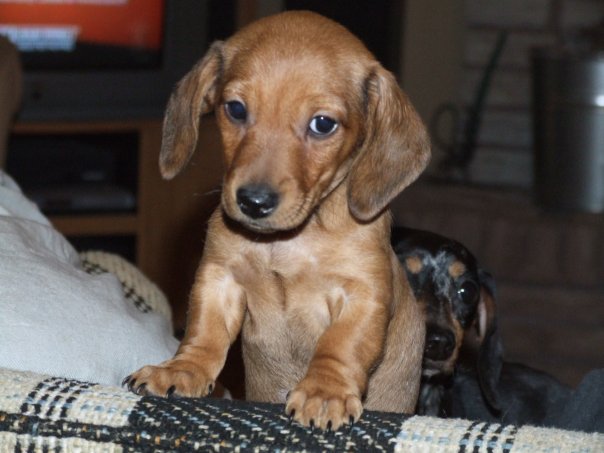
2. The second category is hounds which include both sight hounds and scent hounds. Some included breeds are Beagles, Basset Hounds, Dachshunds, Whippets, and Irish Wolfhounds. Hounds tend to be harder to train, as they are often more interested in the scent the are following than their owner.

3. Working dogs are energy efficient and include breeds such as Rottweilers, Huskies and Great Pyrenees. They are bred to do a job such as pulling sleds, guarding livestock, guarding for personal use and also often for military use. These dogs are often very serious about their work and do not get distracted easily from their jobs once trained properly.

4. The fourth breed category is terriers. Included in this group are Bull Terriers, Schnauzers, and Fox Terriers. Terriers are quite feisty and always ready to search out and do battle with vermin such as rats, badgers and weasels. Training terriers can be difficult if you don’t keep them active.

5. The Toy breeds include Havanese, Pekingese and Pugs, Griffons and Yorkshire Terriers. Although many are bred as lap dogs there are some in this group that were bred specifically to remove rodents. The Yorkshire Terrier for example is often kept as a highly pampered pooch however the original purpose (mid 19th century) of this breed was to kill rats in the coal mines in England and these traits live on in the dogs still today.

6. Non-sporting dogs include Dalmatians, Shih Tzus and Poodles. These breeds are a mish mash of breeds that just didn’t fit well into any of the other categories so it is difficult to generalize any of the breeds in this group.

7. The Herding category includes some of the most high energy and intelligent breeds. Australian Cattle Dogs, Border Collies, German Shepherds and Belgian Shepherds are included in this group. Although highly trainable and task focused, their extremely high energy can create issues for people that are not prepared to properly engage them in suitable jobs.